Escapist Writing and the Fear of Failure

Image
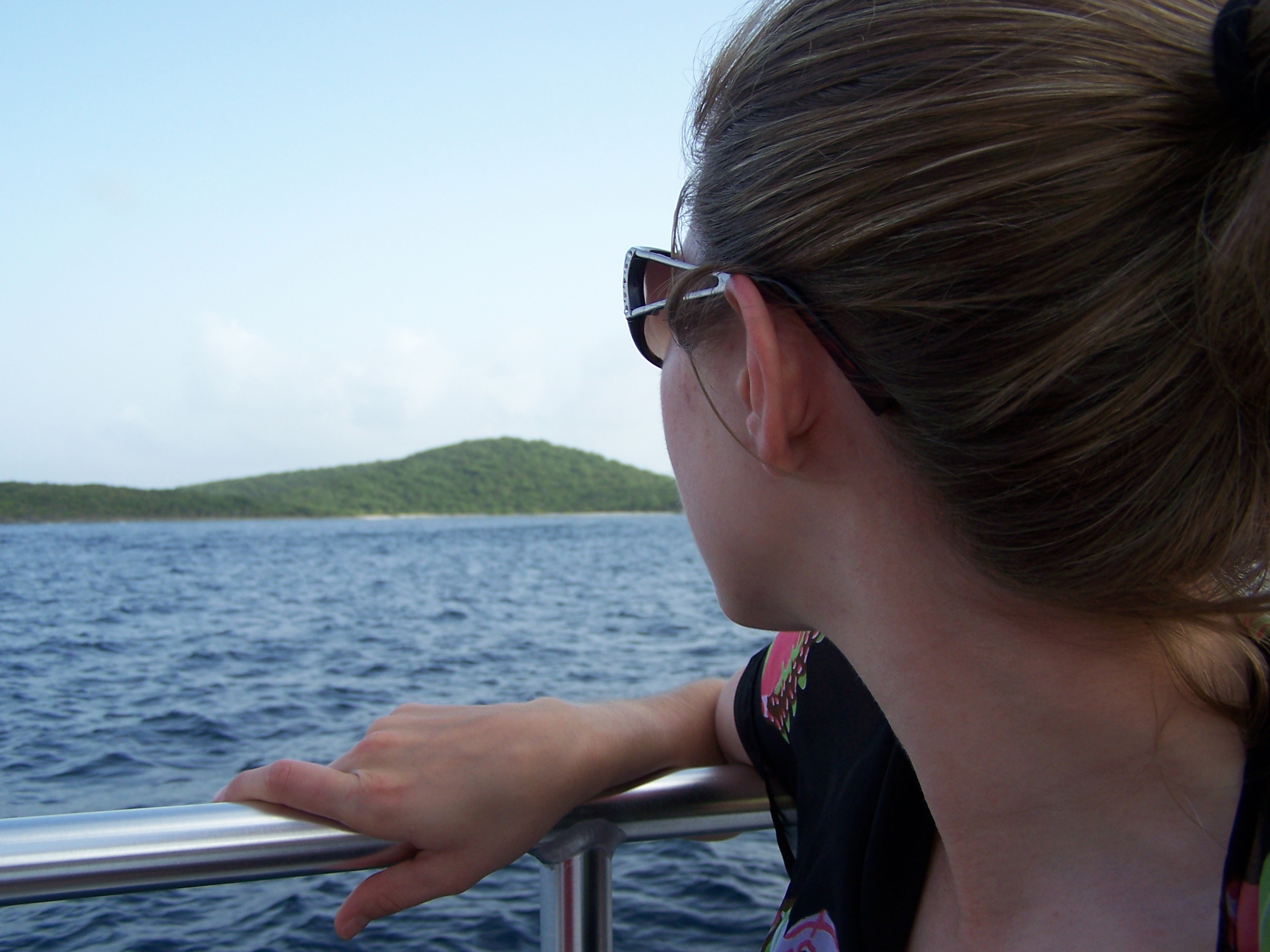
Photo Credit: Lusi at rgbfreestockphotos.

You can have the tools, the talent, and the time—but if you have the fear of failure, you might also have a nasty habit called Escapist Writing. And this very habit may be causing you to fail.

In my home office I have a desk, a laptop, and a comfy office chair. More importantly, I have writing skills honed by two English degrees and thousands of pages of practice. I have a rough draft of a book manuscript I’ve been typing up for the last two weeks—which is to say I also have time.

But this week during my prayer times, I’ve also discovered I have a crippling fear of failure—which manifests itself in the type of non-productive, self-obsessed writing I did yesterday. Here’s a summary, to spare you from the entire writing session:

  • Since I’ve begun writing to my roots, I’ve so committed myself to honesty that, when I feel bummed, I write about it. Thus, I vomit out my blues in my journal, and sometimes on this blog.
  • In doing this good thing—being honest, which I think really is a good thing after you’ve been hiding for a long time—I realize I’ve sometimes trusted to emotionalism rather than gospel truth.
  • Worse yet, sometimes a flow of unbridled honesty curbs my thoughts in wrong ways. I’m talking about when I begin to believe negative thoughts like this:
  1. Wow, is this what’s really inside me? I must suck.
  2. Look how pathetic I am.
  3. How can I be an inspirational writer if I mostly write about my barriers?
  4. With such barriers, how can I even get on with my day?
  5. I can’t do this (meaning write for a living). I’m gonna fail.
  • My negative pattern of escapist writing is confirmed by the fact that I get a sort of pleasure in writing about these twisted thoughts.
  • By convincing myself that my mind is too complicated (maybe neurotic), or that I’m too sensitive, or too pathetic, I release myself from any obligation to be a fully functioning adult.
  • By giving free reign to my feelings in my writing, I avoid having to face reality, and I resist taking risks.
  • By writing about why I can’t write, I justify my failure. And I also cause it.

No doubt about it: Lately, I’ve been so honest with myself that I’m starting to not like what I see. And I’m starting to see that letting out all your insecurities is a great way to become more insecure. But maybe this is like re-breaking a broken bone so it can finally heal correctly.

Now that I’ve identified this insidious pattern of escapist writing that masquerades as my friend, I can

  • Stop taking my feelings so seriously.
  • Start rebuking them with God’s word.
  • Tell myself I am not defined by my feelings (and neither is my writing process).
  • Remember that God has appointed for me a work to do (Eph. 2:10), and He wants me to succeed.
  • Pray a prayer like this:

Lord, help me to stop wasting time by escaping from reality in self-condemning writing. Let me write about YOU and YOUR power—your “glorious, unlimited resources” to help me (Eph. 3:16, NLT). Let me not be defined by my fear of failure. And let me get on with the work you have for me each day as the writer, and the woman, you want me to be. Amen.


Prozac Nation—Review by a Former Pill Popper

200px-ProzacNationBook
Photo Credit: Wikipedia

In her memoir on depression, Prozac Nation, Elizabeth Wurtzel paints an annoying picture of herself as a depressive, which includes being desperate and clingy, prone to panic attacks, dependent on boyfriends for her identity, ungrateful for all the good in her life, and selfish.

Reading this book, even I, a sympathetic co-sufferer, became frustrated. When is she going turn a corner? Why is she telling me this? I wondered. And, How can she presume to be the authority on this when her past was not as heartbreaking as mine?

In her afterword, Wurtzel responds to impatient readers like me, saying, basically, “If you got angry at me, good. I wanted you to feel that way.”

The Book’s Bummers

As Wurtzel explains, she wanted to convey what it was actually like to be around a depressive and, more ambitiously, wanted to give the reader the feeling of being trapped in a mental prison similar those in which depressives finds themselves.

Indeed, most of her book grovels in the quagmire of her own circumstances—her parents’ divorce, her father’s abandonment, her failed relationships, her struggle to get adequate medical attention—and this is what gets so  annoying . But at key points she surfaces from her self-obsessed soliloquy to take stock of what her situation reveals about her whole generation—and this is what resonates with me.

The Book’s Brilliance

What Wurtzel does particularly brilliantly is characterize the displacement that she and her whole generation faced as a result of the cultural revolution in the sixties. Her parents divorce is, of course, no very remarkable thing these days, but her brilliance is zooming in on this seemingly “small” detail.

She expresses outrage on behalf of a whole generation whose parents have led them to dismiss marriage like so many other traditions that used to give people roots—she expresses anger at the fact that nothing is held sacred anymore—and that individual whim reigns supreme. She characterizes how such a world–where individuality and mobility, not family ties or roots, are seen as virtues—leaves its children feeling hopeless and depressed. She doesn’t go as far as diagnosing the cause of the explosive use of Prozac in the 90s, and the booming popularity of depressed-obsessed punk rock bands like Kurt Cobain’s, but the suggestion is heavily weighted toward the disintegration of the American family.

Where We Agree—The Family’s Demise Spells Depression

Like Wurtzel, I firmly believe that by our disregard for the family unit we have self-imposed many of our problems. In our quest for self-gratification, we have damned and doomed the next generations. I think this is what the Bible refers to when it speaks of parents’ sins becoming a curse to the third and fourth generations. It’s not that God unfairly punishes children for what their parents did. It’s that children can’t help but be cursed when parents choose to be self- rather than God-centered.

How My Take on Depression Differs

I’m glad Wurtzel wrote this book, because now I  don’t have to. Years ago, a book about my life would have closely resembled hers, as far as the inspiration meter. Low.

Of course, inspiring readers wasn’t the purpose of the book. It wasn’t to make the reader feel warm and fuzzy, but to portray what depression feels like.

Although I used to envision writing such a book, once I had my conversion I no longer felt comfortable writing such a book. But now, having read Wurtzel’s contribution, I see that such literature has its place, even on a Christian’s bookshelf. Jesus didn’t look away from human suffering, and we shouldn’t either. My problem before was I felt I was wallowing. But now I see that the wallowing effect came from my audience and purpose for writing. My audience? Anyone who would listen, preferably those who had failed me earlier in life. My purpose? To get the sympathy now that I never felt I got when at my lowest points.

In all seriousness, maybe I could write a depressing book like Wurtzel’s these days without wallowing, but that’s only because I would no longer be focused on getting sympathy for my past wounds, but offering empathy to fellow sufferers. Yes, these kinds of books have their place. But since by God’s amazing grace I’ve emerged from that black hole, I’m glad that I don’t have to fill that market niche. And now, I can focus on the upward swing, not the downward slope.

Reclaiming My Voice

Image
Photo Credit: Nordic Photos/Super Stock

There’s an important thing in writing called “voice.” Different composition scholars define it in different ways, but basically “voice” refers to the unique qualities of the writer’s writing. What distinguishes his or her writing from everyone else’s?

More often than I wish were the case, college English classes discount voice, sacrificing it to academic conventions, or established norms and guidelines, to maintain the “language of scholarship.”

In my master’s thesis, I argued that I lost interest in my English classes, in part, because my voice was not allowed there. I still got A’s, though, because it was easy for me to imitate what teachers wanted—it was easy to “pose” as someone I was not on paper.

While this practice earned me a 4.0 in my major, sadly, it took me away from defining my own role as a writer, and developing my own voice.

As well, maybe I didn’t feel my voice was welcome, either in the classroom or anywhere else. Looking back, writing in non-academic settings should have been a given…but no…I resisted airing my voice in a professional, outward way—squelched it under the covers of my journals. Where else could it go?

My “voice” as I conceived of it at age twenty-one was that of a depressed, deflated victim—a mental basket case. I felt bad enough about myself already. So why should I let the truth out and ruin the cover I was trying to keep?

How to Hide Your Voice

When you want to hide your voice, and if you have some of your wits about you, it’s easy enough to blend in. Perhaps imitating others—whether in academic writing or behavior—isn’t the natural impulse, but when you want to lie low, it’s easy enough to blend. At least, it’s easy enough to “cap” your real voice.

Image
On our belated honeymoon trip to San Antonio in 2006.

Maybe I’ve never really “blended” as well as I’d like to think I have. But what I have done is to keep quiet. And by some miraculous twist, I’ve been able to project the image of calm and collected.

Many people have told me, and not just in recent years when I’ve actually achieved some inner peace, that they’re impressed by my outward calm. I’ve been called phlegmatic, composed, serene, and someone who never seems ruffled.

Image
Sailing in Saint Thomas, 2009.

Well. Ahem. Pat myself on the back. What a “good” job I’ve done at concealing my real self.

Apparently I used to think this was something to be proud of, suppressing my voice.

No more. I’ve grown tired of it.

Letting It Out

I used to stifle my voice because I thought it was warped and would get me labeled. What I didn’t realize was that it was okay to have that voice. It wasn’t okay to keep it forever, of course, because indeed it was warped—a warped outgrowth of my God-given identity.

Now I know my voice just needed redirecting. The form could remain, but the content had to change.

Image
My husband and me posing for a Christmas picture during the first year of our marriage, 2005.

Sometimes I tell my husband I’ve been trying to figure out who I really am since we married eight years ago. I tell him it’s like my personality was gutted after I went through my deep depression and initial college crash. He tells me I’ve always been the same person—I’ve always had my identity. I guess I have. But it just got buried for awhile in shame and self-doubt.

Image
My husband and me in a less posed setting in 2005. I think I look somewhat depressed here, or maybe I just need makeup.

No more. Starting with this blog, I’m reclaiming my true voice. And it’s not the voice of the popular majority. It’s not that of a detached literary critic. It’s not a silent observer. It’s not an insecure, defeated little girl.

My voice is thoughtful, emotional, yet hopeful. It is often unpopular. But I’m okay with that. It is mine, given by God, and I intend to use it.

Image
I’m not sure what to say about this picture. It was taken by my husband when no one else was looking.

The Dark and Light in a Writer’s Life

Why do literary writers so often languish in the dark? And why do I, a Christian writer, find myself tending there, too?
Image

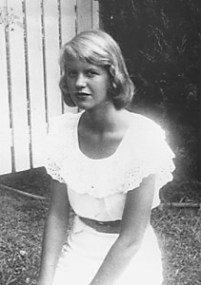
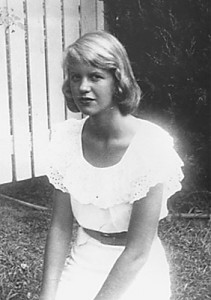
I think of Sylvia Plath who longed to succeed at writing so badly that it drove her entire life, and who eventually found success–only to kill herself. Her journal is full of amazing writing, by the way—lilting, lyrical writing that wowed me—but by the end, when I had to face the reality of a journal, and a life, prematurely cut short, I had to conclude: It wasn’t worth it.

That said, let me make a confession: I started out in the dark, too. (Oh, that word darkness is so fraught with metaphor, but let me hold off for a moment.)

I merely mean I wrote dark things—when I really started writing (age 14)—because my life had gone dark. There were certain things happening at home that I couldn’t talk about. Dark things. Embarrassing things.

I wrote in the dark, too (again, resisting the full metaphorical connotations). I mean, I wrote at night. Not only did my student schedule make nighttime the best time, but it just seemed fitting. Until after I got married, I remained a night writer, letting the day’s darkness inspire that in me to come out.

From my background in literature, it seems to me that a lot of great writers drew their inspiration from suffering. Some tragedy from childhood—or some shocking turn in adulthood. Why would a person, and how could they, write of darkness without living it? Why would they want to?

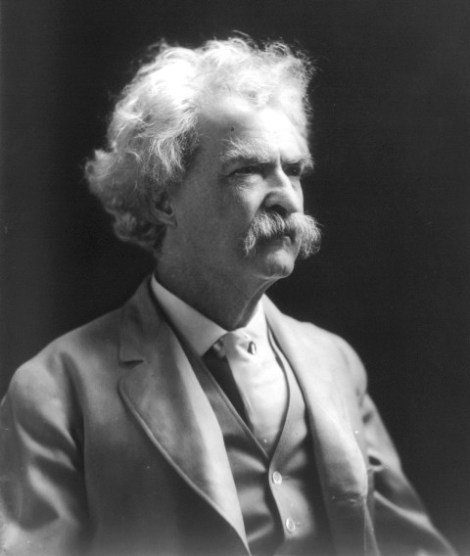
ImageMark Twain, commonly dubbed a humor writer, actually turned darkly pessimistic in his later years after losing his daughter.

You remember that highly anthologized story “The Yellow Wallpaper” with the unreliable (read: crazy) narrator? The author, Charlotte Perkins Gilman ended up killing herself, as did the popular Virginia Woolf.

Alcoholism ran in William Faulkner’s family, and Eugene O’Neil’s mother was addicted to morphine (this is depicted in his play Long Day’s Journey into Night).

T.S. Eliot had a nervous breakdown, and Ezra Pound died in an insane asylum.

From my American Literature class, I can remember a slew of writers whose fathers died in their youth or abandoned them, including Mark Twain, Stephen Crane, and Tennessee Williams.

And Sylvia. Poor Sylvia lost her father before the tender age of ten. She obviously never recovered, but for a period of years she was able to cover her pain with a slew of academic and literary achievements.

I see a lot of myself in Sylvia. Correction. A lot of my old self.

Poor Sylvia never found light. I did. I recovered a will to live as well as developed a prayer life. I decided my still forthcoming memoirs would not be all doom and gloom and “poor me, pity me,” but rather, “Look what God can bring forth from doom and gloom” and “Learn from me.”

And yet…

And yet…

I just had a conversation with a good friend in which I confessed: “I still find myself wanting to write mainly melancholy—I have to work to write positively. I worry that this blog gets too dark sometimes.”

She reassured me that, although, yes, I get a bit dark sometimes, there’s always hope inherent. “It’s a good mix,” she says. “And maybe it will help someone going through similar things.”

Can I make a spiritual/biblical application here?

My Characteristic Glimmer of Hope

In the past year, I’ve started marking metaphors I find in my Bible. I have a dream of teaching a college literature class that explores the figurative language in the Bible—it is so rich!

One of the recurring metaphors I find is that of light and dark.

This is so meaningful to me because of the darkness I’ve felt in my life—and more so just in me. The Bible tells me that Jesus came to shed light on my darkness. He is the Light of life. But the world did not recognize Him because they loved darkness (See Luke 1:78-79; John 1:3-5, 10; 8:12; 1 John 1:5).

I love the image of my Lord and Savior shining light on me—illuminating my narrow and closed mind, drawing me out of the night’s blackness into the morning light, warming my frigid insides.

Oh, He knows me so well! He knew what I would need—His light! Oh, Lord, more of your light!

But these remaining shadows! What of these mixed blog posts of light and dark? It’s like a struggle is going on in my soul.

The sobering reality is: There is a struggle going on in my soul. The enemy is clearly still fighting for me—he wants me back, that jerk. But I have no intention of going back.

And yet…those shadows.

Sometimes I wonder if going back on depression meds could help brighten my discouragingly-default-like pessimism. And then I remember that over six years, they never helped me as much as inviting Jesus into my heart. And I go back to my Bible to read that no pill could change the real problem (my fallen human nature), not unless it were God-sent manna-Prozac.

So—here’s my real gem of hope for today—maybe my mixed blog posts are churning out of my insides in the way they do to serve as a reminder, to me, to you, that there is a battle going on every day in our souls—and it won’t be over until God comes. 

“Therefore, we do not lose heart. Though outwardly we are wasting away, yet inwardly we are being renewed day by day. For our light and momentary troubles are achieving for us an eternal glory that far outweighs them all. So we fix our eyes not on what is seen, but on what is unseen, since what is seen is temporary, but what is unseen is eternal” (2 Cor. 4:16-18).

Fable of a Freelance Writer

Image

Once upon a time (three months ago, to be exact), a freelance writer developed a blog, some book chapters, and a guilt complex.

You see, this writer started out herself to please—to fulfill a dream, put her heart at ease. No more would she hate herself for putting it off—no longer would her naysayers scoff. 

And so writing a schedule–for she must have a plan–finally, she began:

January

Wake up at 6, breakfast, goodbye.

Then meet with the Lord, at 7 or so.

Eight was for exercise, don’t get flabby!

 Then 9 was for work—let the writing begin!

The plan was to write until 4 or more—

Her memoirs, her art, her triumphant score.

But alas, as soon as she began,

She got the email from the man

Who wanted revisions on his manuscript…

So she said, “Okay, I’ll look at it.”

Then April came…

She’d made no progress

On her own goals…but I digress.


April

As the writer looked back on the past three months, she realized she had not stuck to her guns. Besides some blogs and some personal slime, she had nothing to show for her time. Something had happened, but she was not sure what—had she just wasted time, sitting on her duff?

As she searched the memories of her mind, she discovered it was not that she hadn’t tried—it’s just that some stuff had come up inside.

The joy of Jan was followed by blues…somewhere in Feb, kids came up, too. Then, in March, she thought back to home, a topic deserving a fully-fledged tome. So maybe her story isn’t written yet, but perhaps just now its reaching denouement.

What has she learned, this freelancer babe? In three months of blogging, and burbling, and talk? Maybe she just needs to lay off the clock.

  • Sleep in sometimes, and let the mind rest.
  • Talk to a friend, get things off of her chest.
  • Relax, and take the stick out the rear.
  • Go for a run, the fog will clear.
  • Relax, be a wife, and a friend, and a person.
  • Those bad writing days? Well, you win some, you lose some.

As she thought on these lessons she’d learned over time, she decided her life was really quite fine. The dream was not lost, merely delayed—and even if slow going, it still with her stayed. Maybe, she thought, I’ve been under delusion—thinking my story needs a conclusion. Maybe, in fact, I’ve been all wrong—and I’ve been living the dream all along.


The Day after Disappointment

What do you do after you pour your heart and soul into something—only to fail?

“I’m confused,” I wrote yesterday to Jim, my former thesis advisor. I had promised to let him know the outcome of my applications, both the MFA and the PhD.

Both outcomes were the same.

“I thought I’d be getting a terminal degree and teaching college for my life’s work,” I wrote. But it seems God has other plans.

So, what do you do the day after disappointment?

Well, after a little weeping and gnashing of teeth, I sat at my computer and got down to business. I have an almost-finished magazine article I’ve been putting off for over a year—and I have known where I can get it published—but I just haven’t finished it. Today I will finish and submit it.

This week I am also going to get back to the “before-thirty” manuscript I’ve been putting off. And lying in bed this morning I was hit with the possibilities of e-publishing some even older work.

It was like some barrier had been removed; some permission given to just do it, damn it—stop waiting for someone to wipe my nose and just move on, already!

A cocoon was what I wanted, I think. Just a few more years before I grew up. But even with the benefit of one night’s sleep, now it seems kinda silly.

I’m almost twenty-nine. I’ve been in school for about six of my eight years of marriage. I already have a book forthcoming with a co-author. I’ve been published in three magazines. And already for several years I’ve been learning about creative writing on my own.

Oh, and just one more thing. Time will tell, but was it a coincidence that yesterday, after opening my mail, and after crying my tears, my queasiness didn’t go away? Was it a coincidence that I also woke up feeling nauseated again this morning, and that I’ve felt that way for the past four days?

If it’s what I think it might be…well, that would be just too clear—and it would carry the kind of poetry this writer delights in—an extra special way for God to tell me that, even in the wake of disappointment, He knows the plans He has for me (Jer. 29:11).

Note: On the day after the day after, I find it was just a false alarm. Oh well. God gave me a distraction to numb the blow. In any case, I still believe He knows the plans He has for me!

My Mission and Goals from 2011

Values Clarification

God: God is my Redeemer; he is the reason for my existence and my ultimate destination

  • I put God first every day
  • I use God’s word as my compass for all my life’s decisions
  • I strive to be Christlike and to be a witness to others in the way I conduct myself and live my life
  • I do what is right even in the face of opposition

Family and Friends: My family members and friends are the most precious gifts from God I have on this earth, therefore:

  • I take conscious steps toward building or maintaining my relationships with family members, such as family Bible study or spending quality time with them
  • I avoid doing things that would harm my family relationships, especially with my husband, such as over-committing myself in areas that do not desperately require my attention
  • I don’t forget to make and take time for friends; I keep my friendships in good standing; I do not “hoard” or limit my friendship; I am open to making new friends

Workmanship/Artistry: I have been endowed with specific gifts from my creator which I strive to develop to his glory

  • I write to share the story of what God’s done for me and to bring others to Christ
  • I play to be a service to others (such as in church, at funerals, etc.)
  • I use my talents not to uplift myself but to uplift God

Education: God has given me a wonderful mind to be filled with all that is lovely, pure, and true

  • I continue to learn constructive new things everyday that will benefit my own or others’ quality of life
  • I share what I learn with others
  • I obtain greater education for the purpose of  bettering my life or the lives of others
  • I avoid that which is emotionally harmful, mentally dwarfing, depressing or vulgar

Health and Fitness: My body is the temple of God, to be cared for accordingly

  • I choose to eat as healthily as is possible and realistic in my current lifestyle
  • I learn and implement new healthy recipes as often as I can
  • I exercise regularly to keep my body in good physical shape and to keep my mind clear
  • I choose to be happy with the body God has given me and my own personal “best”
  • I do not measure myself by unrealistic, worldly standards of beauty

Stewardship: I use all that I have to the best of my knowledge and ability to glorify God

  • I use my time constructively
  • I spend my money wisely
  • I treat my body as a vehicle of service for God and input accordingly

Roles

Christian

See Item 1 above

I read and learn what the Bible says, first, to prepare myself to witness, then, to know what and how to share with others

Wife

  • I am supportive
  • I think before speaking
  • I choose my battles wisely
  • I use my energy to encourage rather than nag
  • I find meaningful ways to show and reinforce my love for him everyday

Daughter/Sister

  • I am learning to have normal relationships with my parents and brothers
  • I call on a more regular basis

Teacher

  • To the best of my abilities, I teach the kids what will be most necessary, useful and uplifting to them
  • I am a positive role model
  • I maintain an active interest in their wellbeing and salvation
  • I discipline them when needed, even if it is hard for me to do so

Artist

  • I spend a significant amount of time (or that which is feasible) each week developing or practicing my talents, especially writing
  • I use my writing for a healthy emotional outlet
  • I use my talents to benefit others

What one thing could you accomplish in your professional life that would have the most positive impact?

Get my doctorate

What one thing could you accomplish in your personal life that would have the most positive impact?

I don’t know…

  • Start a small-group Bible study?
  • Have a child and learn how to have a normal, healthy family life?

The kind of person I want to be:

  • Self-confident
  • Loving
  • Wise/Discerning
  • Spiritual

All the things I would like to do (Bucket List):

  • Read through the entire Bible
  • Get my masters
  • Get my doctorate
  • Be an English Professor
  • Publish my writing for significant pay and in the venue that will impact as many people as possible
  • Take aerobics or Pilates classes for fun!
  • Be an aerobics instructor
  • Live in MN again, even if just in the summers
  • Lead a group Bible study for young adults
  • Find and participate in a ministry or service activity that both my husband and I are interested in and can do together
  • Compose music in a preserve-able form (learn how to use a music program to write electronic sheet music)
  • Achieve financial freedom so that money is never an obstacle, say, in taking trips to visit my family
  • Maybe adopt kids or do some kind of foster care or service for children
  • Get over my issues with technology; embrace that technology which is good
  • Become a Women’s Ministries Leader after my children have grown or I decide I’m not having children
  • Learn to see the best in people; never facilitate or further gossip

All the things I would like to have during my lifetime

  • Continual assurance of salvation; every day an open connection with God
  • A healthy, happy marriage every day
  • Maybe kids; don’t know yet
  • A lake house in Minnesota
  • My own study or writing room
  • A grand piano
  • A maid

Note: These prompts and questions come from my Stephen Covey planner from 2011. They spring from the principles of The Seven Habits of Highly Effective People, and I include my responses from 2011 here to help readers make sense of my next blog post, Reviving Relationships–Rethinking Goals.

I’d love to read any goals or bucket list items my readers would like to share! I look forward to your comments!

The Lonely Vegetarian

Image
So apparently in India, you can get a Mcveggie burger. We vegetarians in the states are still waiting.

Oddly enough, today again I find myself sitting in Mcdonalds, writing. Why would a vegetarian go to Mcdonalds, you ask?

Over the past few months of being homebound, I have discovered that Mcdonalds is actually a nice place to come and write. That’s true, of course, except when you sit down in an empty play area only to have it fill up with screaming kids (which happened to me a few weeks ago.)

ImageBut seriously. At Mcdonald’s, coffee is just a buck, and you get free refills.

And this was a pleasant surprise: Mcdonalds has renovated to make itself more modern and coffee-shop like. A poor man’s Starbucks, really.

Right now, in fact, I’m sitting on a cushy couch-like thing in front of a fake fireplace, with a flat-screen TV just to my upper left. It’s 10:18 a.m., with few people here except for some good-natured seniors in the corner over my right shoulder, smiling over their senior-sized coffees and chatting. (Once I interrupted a high-spirited Bingo game in the Playroom on a Friday. Kindly, the Bingo players let me sit quietly in the corner and blog.)Image

There are four Mcdonalds relatively close to where I live, so I have rotated among them, trying not to look like that loser who has nothing better to do than go sit solo in the same place day after day. So far I think I’ve remained relatively anonymous. I mean, I don’t go every day. Just when the house feels too empty.

Well, actually, that’s kind of the point. Why would a vegetarian go sit at Mcdonalds, you ask? And why am I drinking coffee, anyway? Health conscious Christian that I am, I’ve tried to quit several times. I was successful for a few weeks in 2010 when I had my heart conversion and found myself cutting out lots of old, icky stuff from my life.

But for the most part, I’ve been a steady drinker for almost ten years, ever since I dropped out of college and entered the most lonely phase of my life.

This is kind of embarrassing to admit, because in my particular church, caffeine use is seen as a bad thing. We focus lots on good physical health. That’s why I’m a vegetarian, in fact. And good physical health is a lovely thing.

But what happens when your bad physical habits are a result of bad mental health? Bad emotional health?

As I’ve learned in the past year, all bad behaviors stem from negative beliefs we have developed. Our negative patterns are reactions to negative thoughts and feelings implanted by Satan, the father of lies (see John 8:44), such as I’m alone, I have to protect myself, or I deserve to reward myself.

This is one of two “pillars” in The Hidden Half of the Gospel, the book I’m co-writing with Paul Coneff of Straight 2 the Heart ministries.

Image
This is the gist of what our book cover will look like. Currently, we are in round two of a three-round editing process. Thanks to Paul for letting me use this image.

And for me, it’s not just some high falutin’ theory. Nope. It’s what my own introspection keeps confirming. Day after day. Mcdonalds visit after Mcdonalds visit.

So I order my Egg McMuffin without meat. So I’m a healthy weight and I exercise pretty regularly.

So what?

I’m still here today—the lonely vegetarian—sipping joe with seniors. (Is that sad?)

At least I’m not sipping deadly medicinal cocktails.

“You’ve come a long way, baby.”

Is that God’s voice I hear?

Well, maybe someone else said that.

Anyway, I think God understands that recovery is slow. And egg McMuffins are good. Not vegan, but I think He understands: heart health is more than meat or drink.

“We’ll keep working on it,” He says.

And for that, I’m lovin’ ‘im.

When Writers Retreat

The writer’s retreat is a common trope in writing circles. Often this term is used to refer to a place remote from the world where writers sequester themselves away to do their lonely work. Annie Dillard, in The Writing Life, describes some such places in her own writer’s journey. One is a pine shed on Cape Cod, another a room in a dark library, and still another a deserted faculty lounge where she spreads out the pages of her manuscript on the table.

2013-02-23 23.51.21

Often “retreat” is used as a noun, but for me, who doesn’t have a remote cabin in the woods or a breezy bungalow on a beach, the verb is the thing.

When I get deep into a project, like I am now with the book, I find myself pulling back from the rest of the world. Almost unconsciously, I become inaccessible. I pull away from Facebook. I resist my phone. The blog slides to beyond necessity and rests uneasily on some guilty mental to-do list.

Whether this is just a characteristic of writers in general or just certain personality types, I’m not sure, because I have the sense I used to do this as a college student. As a teacher. I pulled away from the world to sit and think and work. The current paper, or project, or unit, became all consuming, always looming in my brain.

These days this mass consumption of my mind means I become flaky in all else. I don’t like  feeling that I won’t be able to read my Bible again until this book is out of my head. But frankly, my brain is just too full, too busy chewing on lately manifested manuscript problems, to hold another thought.

Sometimes I feel guilty for going light on my devotions, but I still pray every day, sometimes spending up to twenty minutes on my knees.

When I remember that the Bible says Jesus rose early to pray—it doesn’t say He got up early to read His scrolls—I think maybe this is okay.

It’s a kind of retreat even Jesus needed. In these times of prayer, when my head is full with work and my mind can’t accommodate whole chapters of the Bible, sometimes I can latch on to just one Bible verse and meditate on that, such as “Jesus is the Word of life.”

I’ve liked that one lately, because I’m struggling to find words. But knowing I can rest my cares on Him who created words—who is the Word (even if I don’t fully understand that) gives me peace.

As a Christian writer, I get a special kind of retreat that other writers don’t. And best of all, it doesn’t cost a thing. Today I’m thankful for the Word of life—I’m thankful that God doesn’t need my words to get the job done.

Image
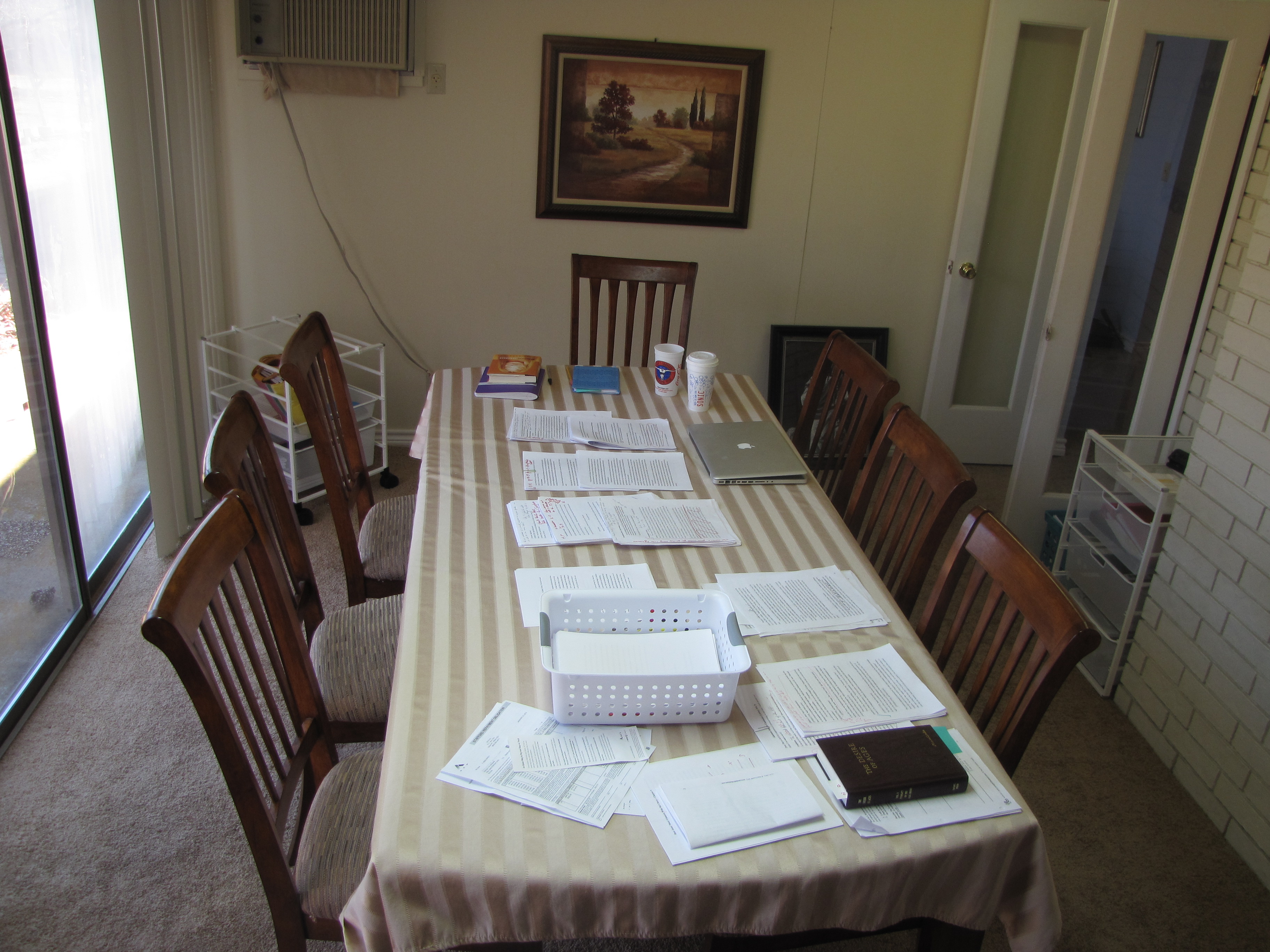
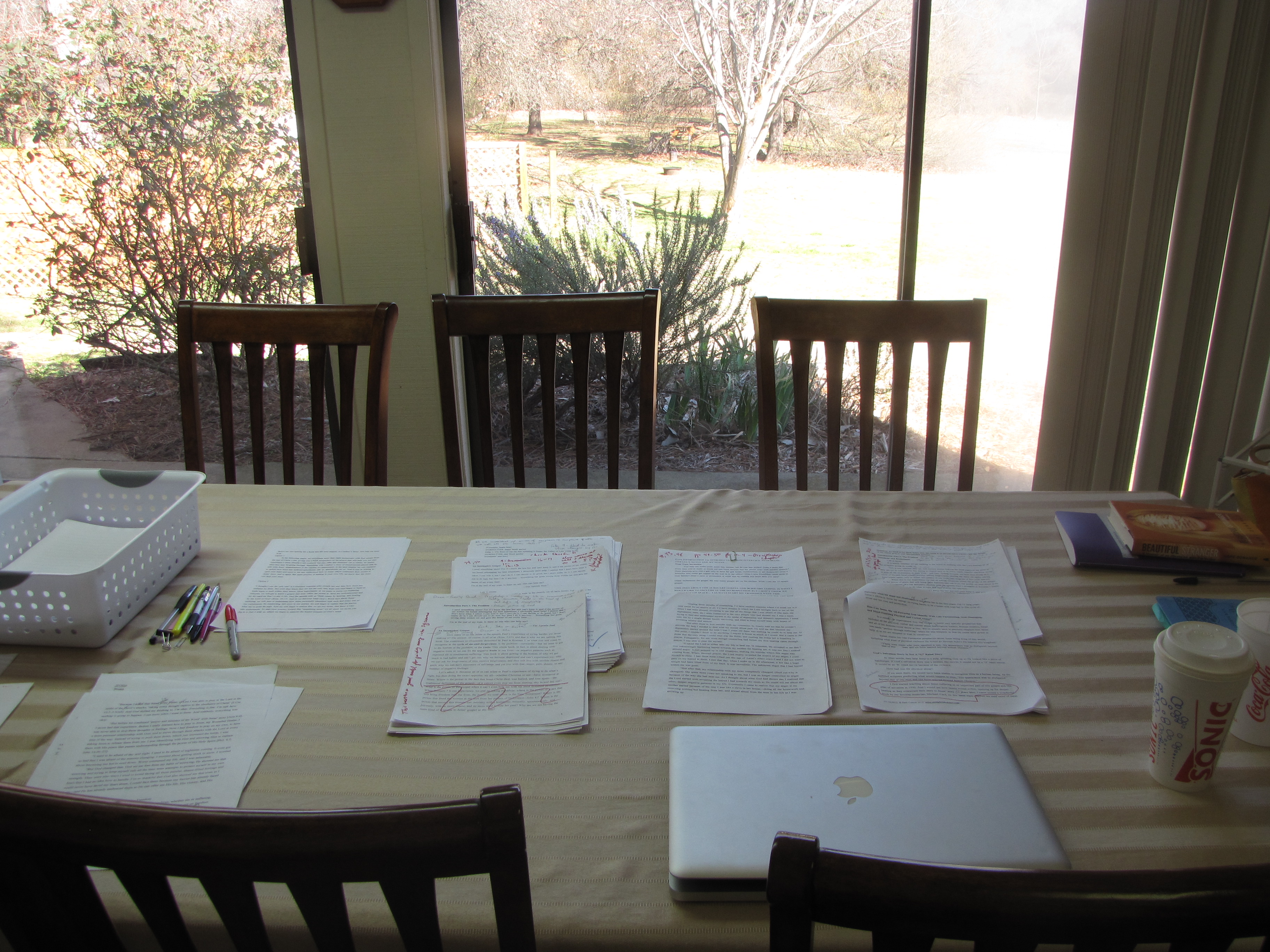
When I look at my dining room table these days, I am reminded of these lines from Annie Dillard:
“How appalled I was to discover that, in order to write so much as a sonnet, you need a warehouse. You can easily get so confused writing a thirty-page chapter that in order to make an outline for the second draft, you have to rent a hall. I have often ‘written’ with the mechanical aid of a twenty-foot conference table. You lay your pages along the table’s edge and pace out the work. You walk along the rows; you weed bits, move bits, and dig out bits, bent over the rows with full hands like a gardener. After a couple hours, you have taken an exceedingly dull nine-mile hike. You go home and soak your feet.”
–Annie Dillard, The Writing Life

Is My Writer Seeping Through?

Image

Since deciding to be a “real” writer, I’ve kept a low profile. Not wanting people to know I’ve embarked on a low-paying (sometimes no-paying) job, I’ve hidden my true profession behind a façade of graduate student and teacher.

I haven’t been a teacher since May 2011, but until last December, I really was a graduate student, putting the finishing touches on my one-hundred-page master’s thesis. Mostly I was done by October, but I still let my classmates offer condolences for “how hard” the writing must be.

It wasn’t hard, really, because my advisor let me write the way I wanted to write: creatively and personally (with a little academic jargon sprinkled in). I guess this “practical” approach worked because the topic was practical: best practices for teaching writing.

When a few of my fellow students heard about my personal [slash] creative [slash] academic project, they seemed intrigued.

“I’d never have thought of that,” some said.

As they scrambled to turn up sources on the databases, scouring search engines and library shelves, giving themselves ulcers looking for an original angle, I just sat back and wrote. I started from the inside—I knew what I wanted to say, and I didn’t much care about citing the scholarly conversation that had come before me, or that would come after.

I know this sounds sort of pompous, and it wouldn’t work in some of the disciplines where original voice is not prized. But thankfully, English departments operate on this truth: If a voice is engaging enough it doesn’t really matter what it’s saying—people will read it for the good writing.

And that’s the truth in the real world, isn’t it?

People who don’t care a lick about golf will watch Tiger Woods because he excels in his sport. Same for most Olympians and Olympic sports. Who watches bobsledding or curling on a regular basis?

But millions watch the Olympics because it’s fun to watch pros do what they do best.

Funny, then, that I feel I’m still hiding in the wings, waiting for permission to “come out” to do what I do best.

Well, not so funny, I guess. I have no doubt that the hiding is due to the overwhelming personal content of my writing. (It’s not really about the money.)

In order for me to write about the things I write about (mental illness, family dysfunction, deepest fears) and be respected, I feel I have to be either a mental health professional or a pastor, or some other authority who can talk on these things at a close, yet safe, distance. That, or I have to make the writing itself attractive. Because the topics just aren’t.

Still, I am convinced that these topics are worth discussion. Worth a master’s thesis, a doctoral dissertation, and many book series. I am convinced that all this painful self-reflection is what more people ought to be doing, but aren’t. But if it’s so worthwhile, why aren’t more people doing it?

Because: Like graduate students fumbling for research topics, we are afraid of ourselves, and we are afraid of what self-examination might reveal. So we look for other voices to latch onto. Let someone else be the guinea pig—or the “straw man,” to use an academic term. Then, if our life thesis fails, we can partially blame the voices on whom we’ve built our own.

Well, I’ll stand behind my own work. To the thesis examiner who said my work got uncomfortably personal at times, I would remind her that everyone else who read it said it was the most memorable thesis they’d ever seen. She was more comfortable in the theoretical realm, and that’s where she encouraged me to return. Toward the end of the defense, we had a more informal discussion about how we felt about publishing—how we felt about others reading our work—and this professor said she felt terrified thinking others would read her academic writing (not to mention any personal stuff).

Just like she couldn’t understand me being so personal in writing, I couldn’t understand her being so guarded (about dry academic prose). Perhaps she is worried that others will smell a rat—that of inauthenticity. And I guess if I were not being true to myself, I might worry about the same thing.

But after denying myself public expression for so long, I think having to live in hiding is far worse than living exposed. After spending time in a theoretically constipated English department, I think living vulnerable is better than living jealous of writers whose real-world topics you only dare poke with a critical stick.

Perhaps my guarded professor would even agree. At the end of the day, she passed my thesis unconditionally. Call my writing what she will, that day she called me a master.