The Writing Life, Pregnancy Edition

Yawning_Woman
Photo Credit: AsToldByLisa.com

Seeing as how pregnancy has reduced my life to mainly eating and sleeping these days, my new writing strategy is to divert all remaining energy to my memoir (which means, sadly, fewer, shorter blog posts). Nothing like a taskmaster baby to put a deadline on your project!

Now that I have T minus seven months until D-Day (delivery!), I feel a new urgency to finish what I’ve started. But this is good. I know how demoralizing working on a never-ending book can be, because that process describes my last literary effort. I don’t want to drag out the current project indefinitely, because the feeling that it could go on forever is deadly to my motivation.

If I seem callous toward the new life growing inside me (because I don’t seem to be thinking much about it), please excuse me. It’s just that

  1. I have a hard time yet believing there’s really a baby in there, and
  2. I think I’m doing us all a favor—baby, hubby, and me—by getting this book out of my bones before baby comes.

Not everyone will understand that, but some of you will. I’ve had the dream of book-making for over fifteen years, but the dream of baby-making? Not more than a year. No kidding. The idea of a baby is a brand new concept to me, almost as new as the actual baby (embryo?) inside me. So I am slowly, let me stress slowly, getting used to it all.

Meanwhile, I am doing all I can manage per day–from 2 to 7 hours so far–to clear room for baby in my brain—by getting out all the ideas and emotions I’ve been trying to deliver for half my life. It’s an exciting, blessed time.

The one thing I can say with certainty about this baby-making thing is that it’s giving me less stress than have most other monumental events in my lifetime. You know…marriage, beginning a career, moving, starting up a ministry. What is the difference? To me, one is a spontaneous process, one that nature guides with or without my efforts (ahem, well, after the initial ball is rolling). But the other events all depended on my active, ongoing involvement to keep moving forward.

This baby? It’s growing whether or not I’m thinking about it, whether or not I’m working on a nursery (not even started), or whether or not I’m buying baby clothes (not even a stitch). I realize that once baby is here, he or she will require my undivided attention. Then it will really depend on me to keep it alive. Then my life will change dramatically. Obviously.

For now, though? I am enjoying God’s gifts to me—time to sit back and marvel at how His miracles don’t require any work on my part (there’s a peace in realizing that)—and time to work on creating my other (brain) child. What a blessed mom-to-be I am!

Writing the Hard Stuff

If you’re currently writing your memoir, maybe you’re having some of the same issues I am, so let’s commiserate for a moment on two key ones.

IMG_2230

Writing the Hard Stuff (Content)

It’s inevitable. If you’re writing a memoir that’s remotely honest, you have to touch some stuff that’s quite icky. One tip I have for dealing with this ickiness is to first decide whether the icky topic is a main idea, or a supporting one. Right now, for instance, I’m trying to figure out how to deal with past boyfriends I’m not proud of—and in the least self- and sin-glorifying ways. Since my story is about recovery and rebirth, I’ve decided these guys are not THE story–but supporting actors who can help create backstory and a setup for the main show. For other memoirists who draw out the ickiness in excruciatingly gory detail (almost as if the authors enjoy remembering their lives in darkness), the descent into hell IS the story. Fair enough, except this doesn’t much help those of us going for a more uplifting effect.

Writing Scene Versus Exposition (Form)

Once we’ve decided what and how much of the gory past to include, we memoirists must also decide how to tell the various parts of our stories. Does that ex-boyfriend get a well-developed scene, complete with sensory details and lots of feeling, or should he get a passing glance, a quick summary, only enough to  get us from point A to B?

In many memoirs I’ve read, authors choose to dwell on their descent into depression, addiction, and despair for most of their memoir…and only at the end do we get a glimpse—a chapter or two and/or an afterword at most, and that usually of drab summary—of the upswing.

2013-06-03 23.50.37

So far, my strategy as a Christian/motivational writer is shaping up somewhat differently: I am leaning away from dwelling too, too much on the icky; and trying to trade chapters and chapters of the macabre for a couple well-placed, representative scenes. As Bill Roorbach says in his excellent book Writing Life Stories, “A good scene replaces pages and pages of explaining, of expositional excess, of telling. Instead of a passage about your family’s socioeconomic status, you show your dad pulling up in the brown Ford wagon, muffler dragging. Or does he pull up in a shiny Mercedes? Or does he walk up the hill with his jacket over his shoulder, car traded for shares in a new invention?” (pp. 35-36).

One caveat for me: I’m finding that there are certain parts of my past that I’m just so disgusted by, I cannot bring myself to honor them with fully-fledged scenes. For these moments, I think some succinct summary is sufficient. In contrast with other, better developed scenes, these sparse selections can make their own statement to the reader: This is a part of my past you have to know about, but I’m not proud of it. At least, that’s the message I’m hoping to send.

A Strategy for Separating Scenes—Writing the Hard Stuff

Not that I’m an expert by any stretch, but here is a suggestion that might be helpful—one that I am testing this very week.

If you kept a journal for those years you are currently memoir-izing, sit down in a good chair, at a sturdy table, and reread those journals, along with any pertinent letters or other artifacts, with a notepad handy. As you read, take notes on what’s there, so you can begin to separate out what is important from what’s not—as well as get an idea of the “arc of your story.”

For my own memoir, I’ve divided the ten years I’m writing about into seven sections—three of those focused mostly on the grime of the past, and four dedicated to climbing out.

I decided that each section needs to have an “arc of story”; and therefore, I need to get reacquainted with the key trajectory, and key moments, for each section. My memory is quite bad, so my journals are helping immensely here.

Yesterday, I sat down and reread the journals that would fall into my first section. I did not try to write any new scenes or develop any exposition during this time; I only took notes on each journal entry—a brief line or two to characterize what was going on in each. I highlighted the entries that seemed particularly important—either as potential scenes, or as “scenes” in and of themselves.

2013-06-03 23.52.41

Note that I already have many pages of writing completed for all sections of my book—perhaps I even have most of the pertinent facts—but now I am going back to try to fill in any gaps I’ve left, and develop that which still needs developing.

Today, I’m going to look over the notes I took yesterday and answer some key questions:

  • Where do I want this section of my memoir to start? On what scene, or using bit of exposition?
  • Where do I want it to end? On what scene, or what bit of exposition?
  • What key questions do I need to answer in this section? Or, what facts does my reader need during this section of the book?
  • How will I do that? Or, which questions and facts should be answered with scene, and which should be answered by exposition?
  • How will I order these scenes and snippets of exposition?

Once I have answered these questions, I can assign myself a list of scenes I still need to write up, and the sections of exposition that I’ve not yet covered. If I get stuck, because section one is turning out to be the grimiest, ickiest section of them all, I may hop over to section two for awhile, but now that I have a plan, I feel confident that I can do this…no matter how dirty the job.

Meanwhile, my writer friends, I’m curious to know: What’s tripping you up in your memoir? And what solutions are you finding?

In Debt $20,000—In Love Forever

Yesterday was a dark day in the Gendke household. The unexpected surprise of a $20,000 student loan bill all but put my husband into a depression. Understand: he’s not like me—he doesn’t get depressed easily. But if there’s one subject he’s touchy about, it’s money. Especially since we found out we’re having a baby, he’s been extra vigilant about cutting costs, paying off debt, and restructuring our finances.

2013-05-30 21.49.34
This is the bill for my bachelor’s degree. Since we’d had it deferred until after I finished my master’s, we didn’t realize that when it started up again, it did NOT include both loans.

For two heady weeks, before we got the $20,000 note yesterday, he had it all planned out: pay off my $24,000 student loan (the old one—for my bachelor’s—but we made the mistake of thinking this included my master’s, too), then pay off his car, and finally, our home. By his calculations, he could have all this paid off by December, right before baby came.

Now, that won’t happen.

2013-05-30 21.48.37
This is the bill for my master’s degree. Needless to say, we were not excited to see this amount piled atop my already prodigious bachelor’s debt.

Don’t get me wrong. We’re hardly destitute or living month to month. My hubby’s investing skills and financial expertise have ensured abundance in eight years of marriage—still, we were so close to being out of debt.

For him, achieving financial freedom is about his number-one professional goal. And I love that about him—it makes me feel more secure—but sometimes that goal overshadows other areas of life. He’s not a worrier, but by golly, he does get so preoccupied about finances that he can be hard to talk to about anything else (to be fair, he’s often said the same about me and my writing).

His own family criticizes him for being “cheap”—for not always upgrading to the newest gadgets even though he could—and for giving our niece and nephew ten-year investment accounts, rather than cheap baubles for every birthday. However, what they don’t see is that these money-saving practices are what have allowed him to offer needy friends, family, and church members thousands and thousands (and thousands) of dollars of financial assistance over the years. They are also what will soon, perhaps within a few years, allow him to retire early and spend more than just nights and weekends with his family.

Call me cheap, too, but if you ask me, living frugally is just living smart. And for the comfortable, worry-free lifestyle my husband’s habits have offered me—a lifestyle better than I ever enjoyed before him—I am eternally grateful.

I just wish he didn’t worry so much.

I hate to see him, like I did yesterday, slumped over in his seat, head in hands, seeming bereft, as if all his dreams had been shattered. Worst of all, I hate feeling like I caused this.

Yesterday, seeing him like that I started to feel bad for getting my master’s degree, especially since now I’m not exactly “using” it. Of course, I feel I have used it in writing The Hidden Half of the Gospel—but when we’re talking about paying off a $20,000 bill, that book will only cover one-fourth to one-third of the cost.

I felt so bad I even apologized for being such an expensive wife (even if I don’t fit the usual profile of excessive shopper). All I could do to reassure him was to say, “Honey, look at all the good in our lives. Think of our wonderful marriage, and our baby coming. And even if you don’t see it right now, I do see benefit in the master’s because it gives me more and better job security if something should ever happen.”

He didn’t look convinced.

“Do you want me to look for a job now?” I tried next, clutching at straws.

He looked at me as if I were crazy.

“You’re pregnant. No.” Sigh. “Just keep doing what you’re doing. And write a bestseller.”

When I saw a wry smile playing at the corners of his lips, I sighed, too. With relief. I don’t want to take a typical job, not right now. But I think I would be willing to look if he wanted me to. At least, I hope I love him that much—as much as he obviously loves me.

Now, because of his pristine financial habits—and because he makes things sound worse than they are—I get to travel a mere ten feet to my work desk, and write about how we first met for my memoir—AKA my gestating bestseller:) Today, I’m sort of thankful, actually, that this little $20,000 “setback” has provided the perfect moment for me to remember exactly why I love this man.


Finding “My People”

Do you feel like you’ve found “your people?” Once in graduate school, one of my professors took offense to some writer who had bashed Christians, saying, “Hey, those are my people!”

I heard her use this phrase almost two years ago and didn’t think much of it then (Christians gets bashed all the time in graduate school), but it came back to me this past Sunday as I sat in a circle with five other women, all writers, all of whom were sharing fragments of their memoir with the group.

This was my first time meeting with this particular writers’ group—or any writers’ group, for that matter—but soon it became clear to me that the group was about much more than just moving our careers forward. It was about sharing stories we’d been bottling for years, it was about giving one another permission to be real, and it was about being validated for said scary task.

During those two hours, I listened to one woman’s struggle to make sense of the sexual abuse in her family; another’s decision to move forward with her education after years of being squelched by a verbally abusive parent; still another’s first attempt at writing the “good memories” for a wounded daughter; and another’s chronicle of life after leaving her third husband. The piece I brought that day was the (rough) first scene of my memoir: the day I emerged from the mental hospital, numb to joy, resigned to life, yet stripped of all expectation and desire.

Some of the feedback I got: “I can feel your numbness.” “The stripping of humanity that comes from staying in a place like this is clear.” “Your point about emotional pain and invisibility hits home.” “I can identify.”

I liked the last comment best, because it came from every single woman at the table. As, one by one, the women admitted that they, too, had found themselves at this place in life before (either literally or figuratively), I felt a sense of relief washing over me. Although I’d known these women less than two hours, it was a relief that they already knew more about me than so many of my acquaintances. That day I also gained strength to continue with what is sometimes an emotionally difficult project, and validation that my project actually matters. Best of all, by the end of the session, I felt I could finally say, “I’ve found my people.”

Of course, like my graduate professor, I could certainly say the same of my church family. I could also truthfully say it of my family family. But somehow, connecting with people because of shared religious convictions or shared bloodlines isn’t the same as connecting to people emotionally. Because rather than falling by default into a category, this type of writing, and this type of realness, is a choice we make—even a dream we share.

Why did I ever wait to join a writers’ group?


The Writing Life

It’s one thing to tell people you like to write. It’s another thing entirely to tell them you’re a “writer.” To illustrate, recently I’ve listed “freelance writer” on my resume. However, I still have trouble telling people that’s what I am. Apparently I’m somewhat embarrassed admitting to a lifestyle that has historically been the butt of jokes, scorn, and ridicule.

What the Stereotypes Say
snoopytyping

Writers themselves (ourselves?) make fun of the profession and perpetuate the stereotypes. You know, those tropes about sitting in a secluded place drinking coffee, frittering away time, professing to be “doing” something, but not getting much done at all. Sadly, even if we’re doing stuff, a lot of us hardly make enough money at it to pay the bills. (I’m certainly not there yet!)

Why We Do It

We live a life of poverty to continue a craft that may never yield monetary gain. Yes, it’s true: We could make more mowing lawns or babysitting. And yet, writers will tell you, we continue writing because we “love” it.

How We Do It—For “Fun”

A lot of writers have had to sneak writing into their lives by logging late night or early morning hours. Was it William Faulkner, or  Don Delillo (or maybe even Fitzgerald?), who wrote while manning his position as a night guard in a boiler room? I remember that from one of my lit. classes, but regardless of who it was, the point is that writing takes sacrifice. And I love the story of Samuel Johnson writing Rasselas in “one week of evenings” because he had to pay his mother’s health bills. Interesting that he knew he’d make money at his craft—but maybe times were kinder to writers in the eighteenth century.

Indeed, today some professionals advise that the only way to find enough time is to “steal it” from something else in your life (I remember reading this tidbit in Writer’s Market). But maybe this advice is mainly for those who have to support themselves and their families with other means.

How We Do It—For a Job

For my part, when I taught fulltime, I could never take that advice. Summer breaks were about the only time I could devote to writing—because the rest of the time I just didn’t have the energy (I guess starting a Master’s degree didn’t help).

But maybe the reason I couldn’t write while also holding a separate, fulltime job has more to do with my personality than anything else. Unlike other “side” writers, I found I just couldn’t multitask  without going a little crazy. I’m an all “all or nothing” kind of a gal, so writing sandwiched in between fulltime work responsibilities and family time didn’t work.

For me, then, the only solution was to make writing my fulltime job.

Lucky, blessed me! The Lord has made this possible. Sometimes I actually feel guilty that I can stay home and write. That I can sleep in until whenever (though I try to be up by 6:30 or 7). I feel guilty that I can have a leisurely breakfast and devotional—even exercise if I want—before starting “work” for the day. But, not one to make light of a divine gift, that is what I do most days…and I love it!

Some Differences Between Writing and Other Jobs

I don’t hurry through the mornings like I did when working a “real” job. First, I ground myself in Scripture and prayer and quiet time. Then, I’m ready to write. A pretty cushy life, some would say.

Yes, it is. But I think it has to be this way if I, Lindsey Gendke, hope to produce significantly and consistently. My writing, I like to think, is not top-of-the-head, hurried, or flippant. It is reflective. It grows out of being a slow-moving, reflective person, and also from cultivating slow-moving and reflective habits.

For me

Writing is cultivating quiet, and spending time alone.

Writing is thinking and reflecting, moving slowly and deliberately through life, and refusing busyness and activity just for activity’s sake.

Writing is seeing and saying what non-writers miss.

Writing is shaping reality and fueling imagination.

Writing is intimate—asking the reader to listen, without speaking.

Writing says what one could never otherwise say without interruption.

Writing is becoming bold in way that is impossible when speaking.

Writing is a lifestyle.

I know most don’t have the opportunity to live such a life, and that’s okay. My hope is just maybe, through reading my writing, others can begin to slow down and reflect, just a little more. In today’s hyper-fast-paced world, I don’t see how that could be a bad thing.

To the writers out there: Do you find that writing is more like a lifestyle, or a side activity? Can the two ever really be separated?

*Note: I got my title from Annie Dillard’s The Writing Life, in case you’re interested in a good book on this topic.


Escapist Writing and the Fear of Failure

Image
Photo Credit: Lusi at rgbfreestockphotos.

You can have the tools, the talent, and the time—but if you have the fear of failure, you might also have a nasty habit called Escapist Writing. And this very habit may be causing you to fail.

In my home office I have a desk, a laptop, and a comfy office chair. More importantly, I have writing skills honed by two English degrees and thousands of pages of practice. I have a rough draft of a book manuscript I’ve been typing up for the last two weeks—which is to say I also have time.

But this week during my prayer times, I’ve also discovered I have a crippling fear of failure—which manifests itself in the type of non-productive, self-obsessed writing I did yesterday. Here’s a summary, to spare you from the entire writing session:

  • Since I’ve begun writing to my roots, I’ve so committed myself to honesty that, when I feel bummed, I write about it. Thus, I vomit out my blues in my journal, and sometimes on this blog.
  • In doing this good thing—being honest, which I think really is a good thing after you’ve been hiding for a long time—I realize I’ve sometimes trusted to emotionalism rather than gospel truth.
  • Worse yet, sometimes a flow of unbridled honesty curbs my thoughts in wrong ways. I’m talking about when I begin to believe negative thoughts like this:
  1. Wow, is this what’s really inside me? I must suck.
  2. Look how pathetic I am.
  3. How can I be an inspirational writer if I mostly write about my barriers?
  4. With such barriers, how can I even get on with my day?
  5. I can’t do this (meaning write for a living). I’m gonna fail.
  • My negative pattern of escapist writing is confirmed by the fact that I get a sort of pleasure in writing about these twisted thoughts.
  • By convincing myself that my mind is too complicated (maybe neurotic), or that I’m too sensitive, or too pathetic, I release myself from any obligation to be a fully functioning adult.
  • By giving free reign to my feelings in my writing, I avoid having to face reality, and I resist taking risks.
  • By writing about why I can’t write, I justify my failure. And I also cause it.

No doubt about it: Lately, I’ve been so honest with myself that I’m starting to not like what I see. And I’m starting to see that letting out all your insecurities is a great way to become more insecure. But maybe this is like re-breaking a broken bone so it can finally heal correctly.

Now that I’ve identified this insidious pattern of escapist writing that masquerades as my friend, I can

  • Stop taking my feelings so seriously.
  • Start rebuking them with God’s word.
  • Tell myself I am not defined by my feelings (and neither is my writing process).
  • Remember that God has appointed for me a work to do (Eph. 2:10), and He wants me to succeed.
  • Pray a prayer like this:

Lord, help me to stop wasting time by escaping from reality in self-condemning writing. Let me write about YOU and YOUR power—your “glorious, unlimited resources” to help me (Eph. 3:16, NLT). Let me not be defined by my fear of failure. And let me get on with the work you have for me each day as the writer, and the woman, you want me to be. Amen.

Reclaiming My Voice

Image
Photo Credit: Nordic Photos/Super Stock

There’s an important thing in writing called “voice.” Different composition scholars define it in different ways, but basically “voice” refers to the unique qualities of the writer’s writing. What distinguishes his or her writing from everyone else’s?

More often than I wish were the case, college English classes discount voice, sacrificing it to academic conventions, or established norms and guidelines, to maintain the “language of scholarship.”

In my master’s thesis, I argued that I lost interest in my English classes, in part, because my voice was not allowed there. I still got A’s, though, because it was easy for me to imitate what teachers wanted—it was easy to “pose” as someone I was not on paper.

While this practice earned me a 4.0 in my major, sadly, it took me away from defining my own role as a writer, and developing my own voice.

As well, maybe I didn’t feel my voice was welcome, either in the classroom or anywhere else. Looking back, writing in non-academic settings should have been a given…but no…I resisted airing my voice in a professional, outward way—squelched it under the covers of my journals. Where else could it go?

My “voice” as I conceived of it at age twenty-one was that of a depressed, deflated victim—a mental basket case. I felt bad enough about myself already. So why should I let the truth out and ruin the cover I was trying to keep?

How to Hide Your Voice

When you want to hide your voice, and if you have some of your wits about you, it’s easy enough to blend in. Perhaps imitating others—whether in academic writing or behavior—isn’t the natural impulse, but when you want to lie low, it’s easy enough to blend. At least, it’s easy enough to “cap” your real voice.

Image
On our belated honeymoon trip to San Antonio in 2006.

Maybe I’ve never really “blended” as well as I’d like to think I have. But what I have done is to keep quiet. And by some miraculous twist, I’ve been able to project the image of calm and collected.

Many people have told me, and not just in recent years when I’ve actually achieved some inner peace, that they’re impressed by my outward calm. I’ve been called phlegmatic, composed, serene, and someone who never seems ruffled.

Image
Sailing in Saint Thomas, 2009.

Well. Ahem. Pat myself on the back. What a “good” job I’ve done at concealing my real self.

Apparently I used to think this was something to be proud of, suppressing my voice.

No more. I’ve grown tired of it.

Letting It Out

I used to stifle my voice because I thought it was warped and would get me labeled. What I didn’t realize was that it was okay to have that voice. It wasn’t okay to keep it forever, of course, because indeed it was warped—a warped outgrowth of my God-given identity.

Now I know my voice just needed redirecting. The form could remain, but the content had to change.

Image
My husband and me posing for a Christmas picture during the first year of our marriage, 2005.

Sometimes I tell my husband I’ve been trying to figure out who I really am since we married eight years ago. I tell him it’s like my personality was gutted after I went through my deep depression and initial college crash. He tells me I’ve always been the same person—I’ve always had my identity. I guess I have. But it just got buried for awhile in shame and self-doubt.

Image
My husband and me in a less posed setting in 2005. I think I look somewhat depressed here, or maybe I just need makeup.

No more. Starting with this blog, I’m reclaiming my true voice. And it’s not the voice of the popular majority. It’s not that of a detached literary critic. It’s not a silent observer. It’s not an insecure, defeated little girl.

My voice is thoughtful, emotional, yet hopeful. It is often unpopular. But I’m okay with that. It is mine, given by God, and I intend to use it.

Image
I’m not sure what to say about this picture. It was taken by my husband when no one else was looking.

I May Be Childless—At Least my House is Messy

Image
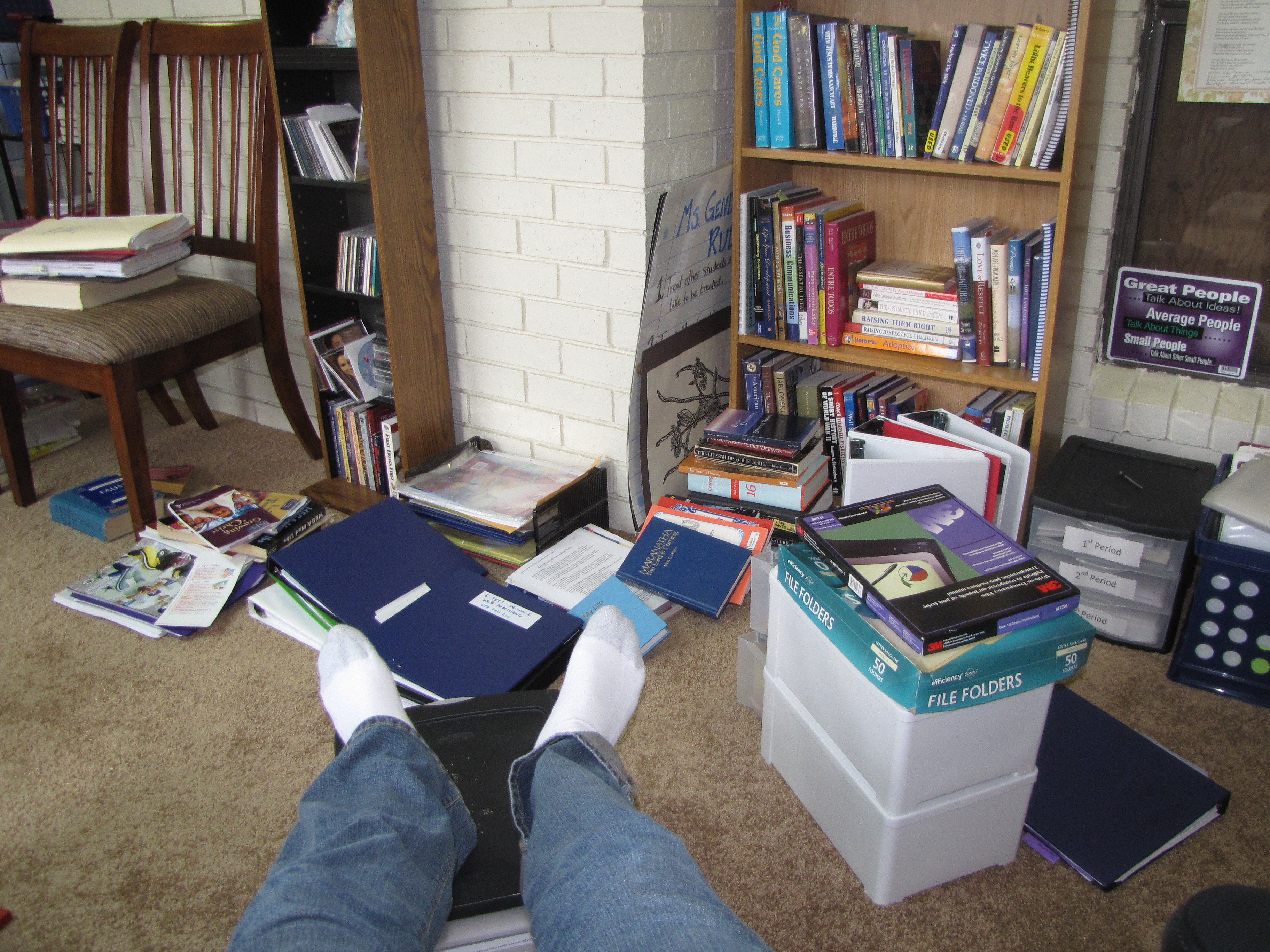
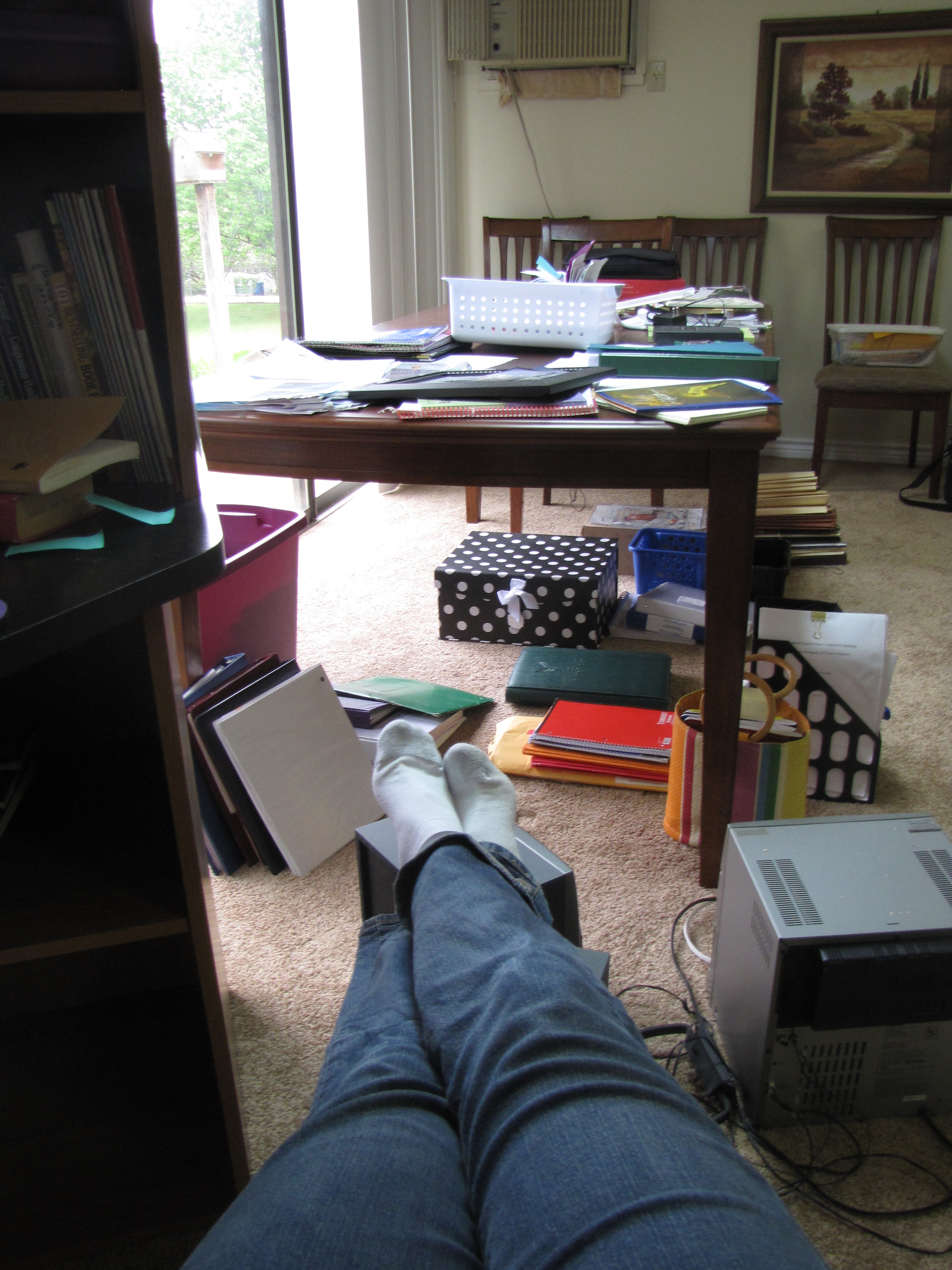
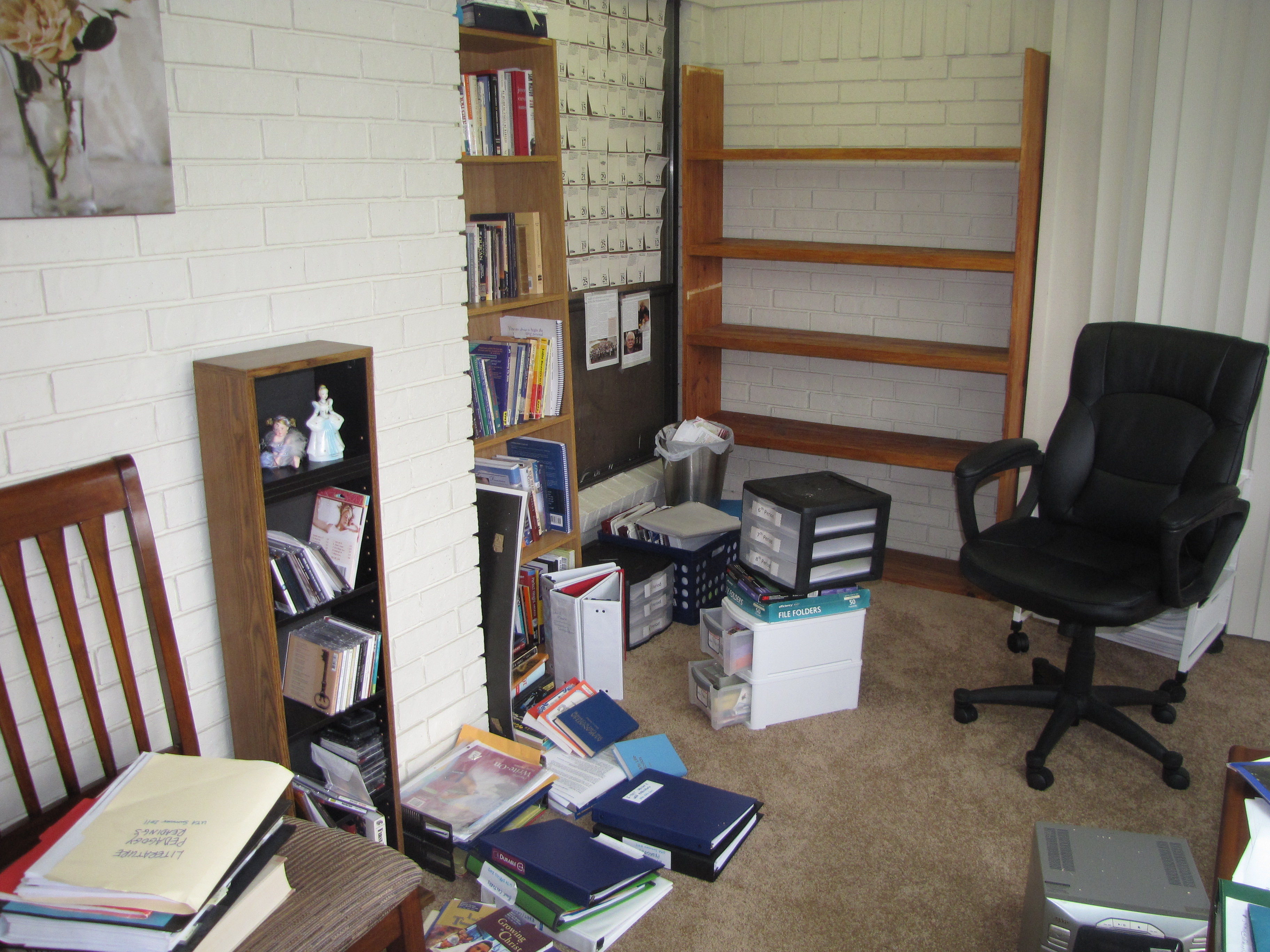
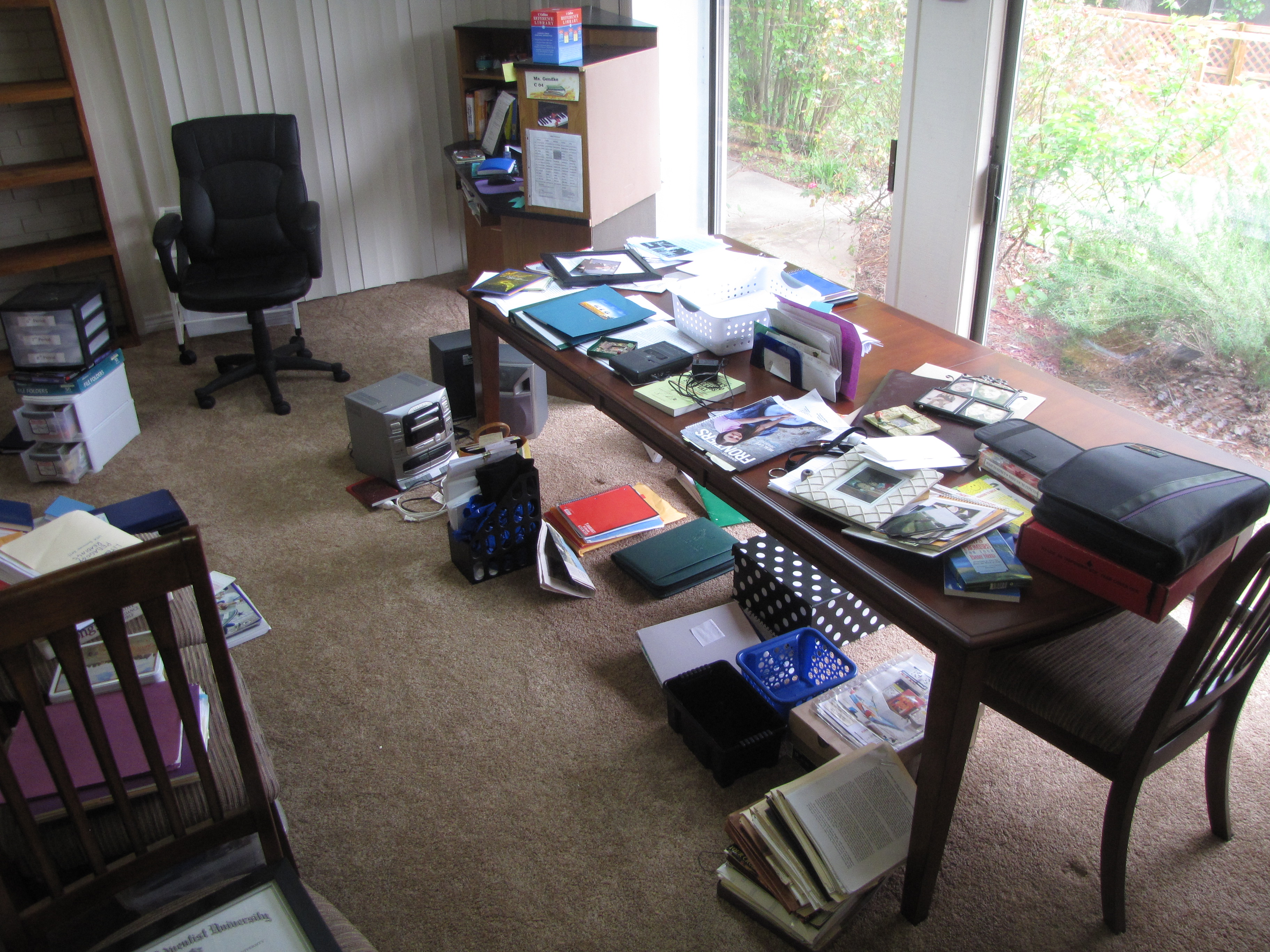
Please don’t think my house always looks this bad! This is just what it looks like when I reorganize my office.

Last weekend I again felt like a failure as a woman. How did this happen, you ask?

Scene: I’m standing in a pasture talking to two girlfriends. The first one is twenty-eight like me, and married, but unlike me, has a kid. Same with friend number two, only add a couple years and a couple kids.

Can you guess what we are talking about?

The pasture belongs to number-two. Number-one and I have come for a visit and are walking number-two’s property. Inevitably, the talk turns to houses and the jobs we work to afford them and the bodies we are housing with those jobs.

What are our livelihoods? How are we getting by day to day and affording these homes in which we live and raise our families?

Basic questions. They deal with basic necessities that we all have.

Yet when I find myself in these conversations, I see an un-level playing field.

Number-one has started cleaning houses to supplement income. Number-two has started selling Mary Kay. Number-one makes her own cleaning products from baking soda. Number-two plants and cans an impressive garden. Both plan to homeschool, and number-two is positively beaming just talking about what fun it will be to write lesson plans again (she was once a teacher).

Then there’s me. They don’t turn the conversation my way, but I take care of that in my head.

“So, what are you doing to supplement income? What financial struggles have you had? What sacrifices have you made for your family?”

“Uh, well, currently my life is pretty easy,” I’m embarrassed to say (in my head). “Financially easy, anyway. My hubby is making good money at the moment. And we don’t have kids. Yet.”

“Wow. That must be nice. So what do you do all day?”

Image

“Uh…” here I panic a little. My mind wants to go blank. What is it that I do again? It’s not gardening. It’s not concocting creative cleaning supplies, chasing rug rats, or drawing up lesson plans. When I did write lesson plans two years ago, I don’t remember relishing the act.

Truth is, I’m struggling just to keep my house clean at the moment. And I don’t even have kids, mind you.

Wow.

What a loser I must be.

Standing with these two very industrious ladies, I am suddenly struck with the weight of my failure as a woman.

Image
Yet another view of my office under construction. Note the headless bookshelf in the corner; my hubby made that for me, and I am waiting for him to finish it off before I put it back to use.

 Am I a Woman, or a Worm? (Perhaps a Writer…?)

A few days removed from my moments out to pasture, the Holy Spirit has helped me realize something I was missing while feeling so guilty for my perceived failings: There’s a good reason why I’m not out cleaning houses or selling Mary Kay or planning a garden or writing lesson plans, and it’s not because I’m a failure. It’s because that’s not who I am.

If you want to get financially pragmatic about it, sure—I’m also not doing those things because we don’t need the money (I might be if we did)—but there’s this point as well: We planned not to be put in that situation. All my waffling about motherhood aside, we also always wanted to be financially stable before we brought kids into the world.

As I prayed about my feelings of failure and my worthlessness as a woman, the Lord brought these words, like balm, to my soul: Don’t compare yourself to others. Just compare yourself to Jesus.

Sometimes when I pray I hear whole paragraphs and Bible verses rising out of the slime of my soul to comfort and guide me. Note that my slime wouldn’t do any good had I not already  planted God’s word in it (Psalm 119:10). Yet this message was annoyingly concise. So I thought about those words some more. How could I compare myself to Jesus in my struggle about womanly duties?

Then it came to me: Jesus had a mission and He followed it. He let others plant the gardens and tend the kids—let them do their missions. But as for Him, He wandered from place to place with “nowhere to lay his head.” He obviously had no house to clean.

Again, I was reminded, it’s not a gender issue.

Not to say I’m going to abandon cleaning altogether. Since I do have a place to lay my head, I will try to keep it reasonably clean. And if we have kids, I’m sure my mothering instincts will kick in. But the truth is, I’m just not by default a homemaker.

Image
Okay, I’ll admit it: I’d rather my table be full of literary rather than culinary masterpieces!

Like a blessed dew this memory came to me: As a girl, I hated gardening. When my mom tried to get us to help her, I tried anything I could to get out of it–unlike my girlfriends who have always enjoyed the activity.

I love and appreciate my girlfriends and their stellar skills at motherhood, gardening, cleaning, and other things I dislike doing. And I am thankful that they feel called to do them—for without women like these, I really think society would fall apart.

But as for me, well, I just didn’t come into the world wanting to work with my hands as much as dabbling in words and ideas.

So what is it that I do all day?

Well, until we really hit the jackpot and can afford a maid, regrettably, I clean when I have to. I cook a bit, too. But on the perfect days—on the days when Satan is not winning and I’m not worrying what the world thinks—I write.

Image
Just a few of my journals.

Hi there! If you liked this post, you might enjoy some of my other posts about women’s issues and family-related topics, such as:

Role Confusion and the Modern Woman

Celebrating 8 Years: Roots of a Love Story

A Career is Not Enough

The Question Every Young Couple Must Answer

The Dark and Light in a Writer’s Life

Why do literary writers so often languish in the dark? And why do I, a Christian writer, find myself tending there, too?
Image

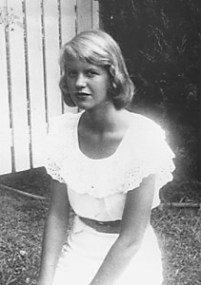
I think of Sylvia Plath who longed to succeed at writing so badly that it drove her entire life, and who eventually found success–only to kill herself. Her journal is full of amazing writing, by the way—lilting, lyrical writing that wowed me—but by the end, when I had to face the reality of a journal, and a life, prematurely cut short, I had to conclude: It wasn’t worth it.

That said, let me make a confession: I started out in the dark, too. (Oh, that word darkness is so fraught with metaphor, but let me hold off for a moment.)

I merely mean I wrote dark things—when I really started writing (age 14)—because my life had gone dark. There were certain things happening at home that I couldn’t talk about. Dark things. Embarrassing things.

I wrote in the dark, too (again, resisting the full metaphorical connotations). I mean, I wrote at night. Not only did my student schedule make nighttime the best time, but it just seemed fitting. Until after I got married, I remained a night writer, letting the day’s darkness inspire that in me to come out.

From my background in literature, it seems to me that a lot of great writers drew their inspiration from suffering. Some tragedy from childhood—or some shocking turn in adulthood. Why would a person, and how could they, write of darkness without living it? Why would they want to?
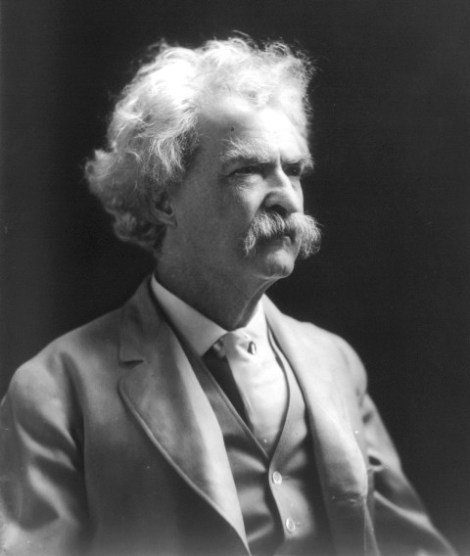
ImageMark Twain, commonly dubbed a humor writer, actually turned darkly pessimistic in his later years after losing his daughter.

You remember that highly anthologized story “The Yellow Wallpaper” with the unreliable (read: crazy) narrator? The author, Charlotte Perkins Gilman ended up killing herself, as did the popular Virginia Woolf.

Alcoholism ran in William Faulkner’s family, and Eugene O’Neil’s mother was addicted to morphine (this is depicted in his play Long Day’s Journey into Night).

T.S. Eliot had a nervous breakdown, and Ezra Pound died in an insane asylum.

From my American Literature class, I can remember a slew of writers whose fathers died in their youth or abandoned them, including Mark Twain, Stephen Crane, and Tennessee Williams.

And Sylvia. Poor Sylvia lost her father before the tender age of ten. She obviously never recovered, but for a period of years she was able to cover her pain with a slew of academic and literary achievements.

I see a lot of myself in Sylvia. Correction. A lot of my old self.

Poor Sylvia never found light. I did. I recovered a will to live as well as developed a prayer life. I decided my still forthcoming memoirs would not be all doom and gloom and “poor me, pity me,” but rather, “Look what God can bring forth from doom and gloom” and “Learn from me.”

And yet…

And yet…

I just had a conversation with a good friend in which I confessed: “I still find myself wanting to write mainly melancholy—I have to work to write positively. I worry that this blog gets too dark sometimes.”

She reassured me that, although, yes, I get a bit dark sometimes, there’s always hope inherent. “It’s a good mix,” she says. “And maybe it will help someone going through similar things.”

Can I make a spiritual/biblical application here?

My Characteristic Glimmer of Hope

In the past year, I’ve started marking metaphors I find in my Bible. I have a dream of teaching a college literature class that explores the figurative language in the Bible—it is so rich!

One of the recurring metaphors I find is that of light and dark.

This is so meaningful to me because of the darkness I’ve felt in my life—and more so just in me. The Bible tells me that Jesus came to shed light on my darkness. He is the Light of life. But the world did not recognize Him because they loved darkness (See Luke 1:78-79; John 1:3-5, 10; 8:12; 1 John 1:5).

I love the image of my Lord and Savior shining light on me—illuminating my narrow and closed mind, drawing me out of the night’s blackness into the morning light, warming my frigid insides.

Oh, He knows me so well! He knew what I would need—His light! Oh, Lord, more of your light!

But these remaining shadows! What of these mixed blog posts of light and dark? It’s like a struggle is going on in my soul.

The sobering reality is: There is a struggle going on in my soul. The enemy is clearly still fighting for me—he wants me back, that jerk. But I have no intention of going back.

And yet…those shadows.

Sometimes I wonder if going back on depression meds could help brighten my discouragingly-default-like pessimism. And then I remember that over six years, they never helped me as much as inviting Jesus into my heart. And I go back to my Bible to read that no pill could change the real problem (my fallen human nature), not unless it were God-sent manna-Prozac.

So—here’s my real gem of hope for today—maybe my mixed blog posts are churning out of my insides in the way they do to serve as a reminder, to me, to you, that there is a battle going on every day in our souls—and it won’t be over until God comes. 

“Therefore, we do not lose heart. Though outwardly we are wasting away, yet inwardly we are being renewed day by day. For our light and momentary troubles are achieving for us an eternal glory that far outweighs them all. So we fix our eyes not on what is seen, but on what is unseen, since what is seen is temporary, but what is unseen is eternal” (2 Cor. 4:16-18).

The Day after Disappointment

What do you do after you pour your heart and soul into something—only to fail?

“I’m confused,” I wrote yesterday to Jim, my former thesis advisor. I had promised to let him know the outcome of my applications, both the MFA and the PhD.

Both outcomes were the same.

“I thought I’d be getting a terminal degree and teaching college for my life’s work,” I wrote. But it seems God has other plans.

So, what do you do the day after disappointment?

Well, after a little weeping and gnashing of teeth, I sat at my computer and got down to business. I have an almost-finished magazine article I’ve been putting off for over a year—and I have known where I can get it published—but I just haven’t finished it. Today I will finish and submit it.

This week I am also going to get back to the “before-thirty” manuscript I’ve been putting off. And lying in bed this morning I was hit with the possibilities of e-publishing some even older work.

It was like some barrier had been removed; some permission given to just do it, damn it—stop waiting for someone to wipe my nose and just move on, already!

A cocoon was what I wanted, I think. Just a few more years before I grew up. But even with the benefit of one night’s sleep, now it seems kinda silly.

I’m almost twenty-nine. I’ve been in school for about six of my eight years of marriage. I already have a book forthcoming with a co-author. I’ve been published in three magazines. And already for several years I’ve been learning about creative writing on my own.

Oh, and just one more thing. Time will tell, but was it a coincidence that yesterday, after opening my mail, and after crying my tears, my queasiness didn’t go away? Was it a coincidence that I also woke up feeling nauseated again this morning, and that I’ve felt that way for the past four days?

If it’s what I think it might be…well, that would be just too clear—and it would carry the kind of poetry this writer delights in—an extra special way for God to tell me that, even in the wake of disappointment, He knows the plans He has for me (Jer. 29:11).

Note: On the day after the day after, I find it was just a false alarm. Oh well. God gave me a distraction to numb the blow. In any case, I still believe He knows the plans He has for me!