Prozac Nation—Review by a Former Pill Popper

200px-ProzacNationBook
Photo Credit: Wikipedia

In her memoir on depression, Prozac Nation, Elizabeth Wurtzel paints an annoying picture of herself as a depressive, which includes being desperate and clingy, prone to panic attacks, dependent on boyfriends for her identity, ungrateful for all the good in her life, and selfish.

Reading this book, even I, a sympathetic co-sufferer, became frustrated. When is she going turn a corner? Why is she telling me this? I wondered. And, How can she presume to be the authority on this when her past was not as heartbreaking as mine?

In her afterword, Wurtzel responds to impatient readers like me, saying, basically, “If you got angry at me, good. I wanted you to feel that way.”

The Book’s Bummers

As Wurtzel explains, she wanted to convey what it was actually like to be around a depressive and, more ambitiously, wanted to give the reader the feeling of being trapped in a mental prison similar those in which depressives finds themselves.

Indeed, most of her book grovels in the quagmire of her own circumstances—her parents’ divorce, her father’s abandonment, her failed relationships, her struggle to get adequate medical attention—and this is what gets so  annoying . But at key points she surfaces from her self-obsessed soliloquy to take stock of what her situation reveals about her whole generation—and this is what resonates with me.

The Book’s Brilliance

What Wurtzel does particularly brilliantly is characterize the displacement that she and her whole generation faced as a result of the cultural revolution in the sixties. Her parents divorce is, of course, no very remarkable thing these days, but her brilliance is zooming in on this seemingly “small” detail.

She expresses outrage on behalf of a whole generation whose parents have led them to dismiss marriage like so many other traditions that used to give people roots—she expresses anger at the fact that nothing is held sacred anymore—and that individual whim reigns supreme. She characterizes how such a world–where individuality and mobility, not family ties or roots, are seen as virtues—leaves its children feeling hopeless and depressed. She doesn’t go as far as diagnosing the cause of the explosive use of Prozac in the 90s, and the booming popularity of depressed-obsessed punk rock bands like Kurt Cobain’s, but the suggestion is heavily weighted toward the disintegration of the American family.

Where We Agree—The Family’s Demise Spells Depression

Like Wurtzel, I firmly believe that by our disregard for the family unit we have self-imposed many of our problems. In our quest for self-gratification, we have damned and doomed the next generations. I think this is what the Bible refers to when it speaks of parents’ sins becoming a curse to the third and fourth generations. It’s not that God unfairly punishes children for what their parents did. It’s that children can’t help but be cursed when parents choose to be self- rather than God-centered.

How My Take on Depression Differs

I’m glad Wurtzel wrote this book, because now I  don’t have to. Years ago, a book about my life would have closely resembled hers, as far as the inspiration meter. Low.

Of course, inspiring readers wasn’t the purpose of the book. It wasn’t to make the reader feel warm and fuzzy, but to portray what depression feels like.

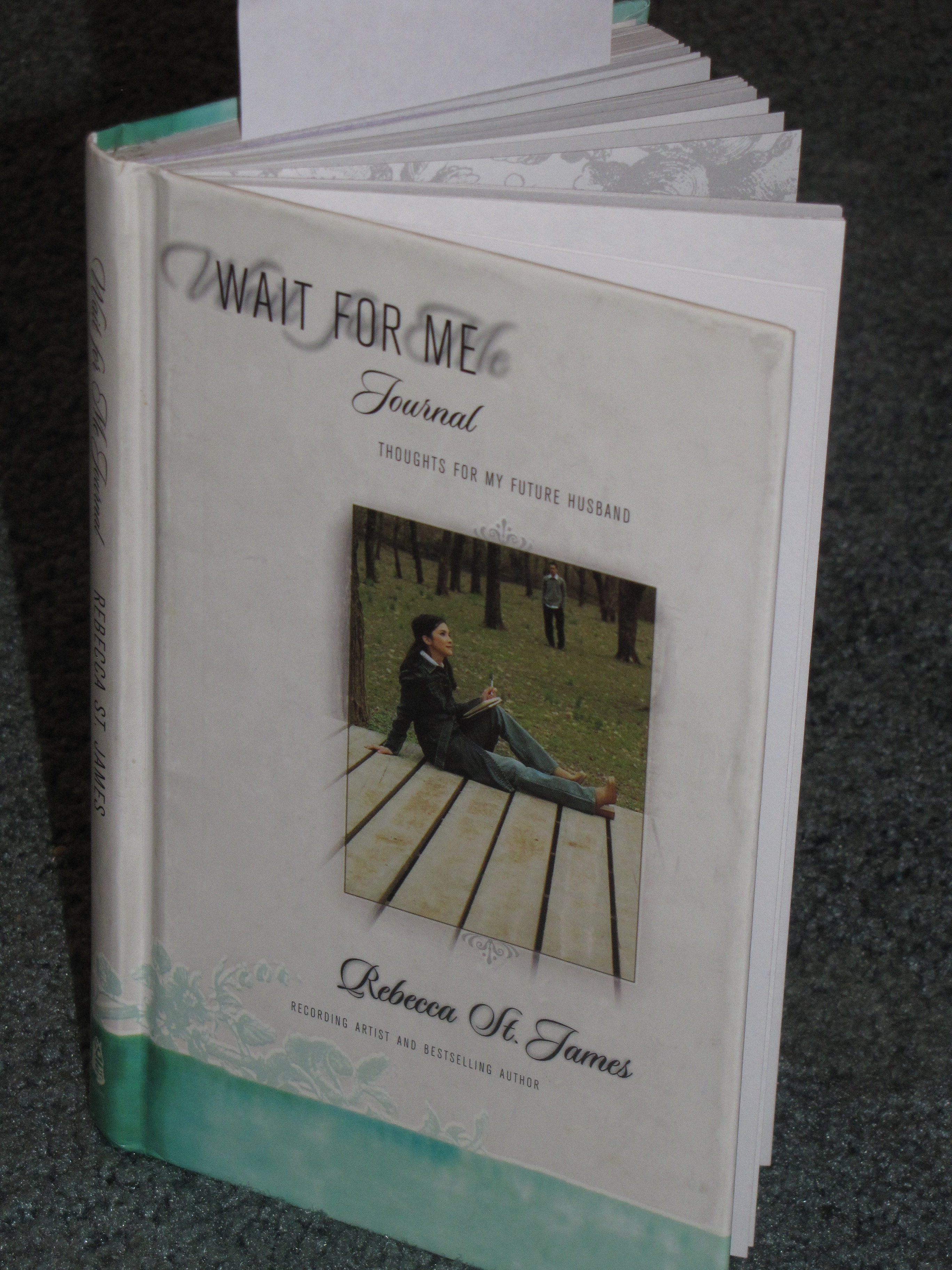
Although I used to envision writing such a book, once I had my conversion I no longer felt comfortable writing such a book. But now, having read Wurtzel’s contribution, I see that such literature has its place, even on a Christian’s bookshelf. Jesus didn’t look away from human suffering, and we shouldn’t either. My problem before was I felt I was wallowing. But now I see that the wallowing effect came from my audience and purpose for writing. My audience? Anyone who would listen, preferably those who had failed me earlier in life. My purpose? To get the sympathy now that I never felt I got when at my lowest points.

In all seriousness, maybe I could write a depressing book like Wurtzel’s these days without wallowing, but that’s only because I would no longer be focused on getting sympathy for my past wounds, but offering empathy to fellow sufferers. Yes, these kinds of books have their place. But since by God’s amazing grace I’ve emerged from that black hole, I’m glad that I don’t have to fill that market niche. And now, I can focus on the upward swing, not the downward slope.

The Dark and Light in a Writer’s Life

Why do literary writers so often languish in the dark? And why do I, a Christian writer, find myself tending there, too?
Image

I think of Sylvia Plath who longed to succeed at writing so badly that it drove her entire life, and who eventually found success–only to kill herself. Her journal is full of amazing writing, by the way—lilting, lyrical writing that wowed me—but by the end, when I had to face the reality of a journal, and a life, prematurely cut short, I had to conclude: It wasn’t worth it.

That said, let me make a confession: I started out in the dark, too. (Oh, that word darkness is so fraught with metaphor, but let me hold off for a moment.)

I merely mean I wrote dark things—when I really started writing (age 14)—because my life had gone dark. There were certain things happening at home that I couldn’t talk about. Dark things. Embarrassing things.

I wrote in the dark, too (again, resisting the full metaphorical connotations). I mean, I wrote at night. Not only did my student schedule make nighttime the best time, but it just seemed fitting. Until after I got married, I remained a night writer, letting the day’s darkness inspire that in me to come out.

From my background in literature, it seems to me that a lot of great writers drew their inspiration from suffering. Some tragedy from childhood—or some shocking turn in adulthood. Why would a person, and how could they, write of darkness without living it? Why would they want to?

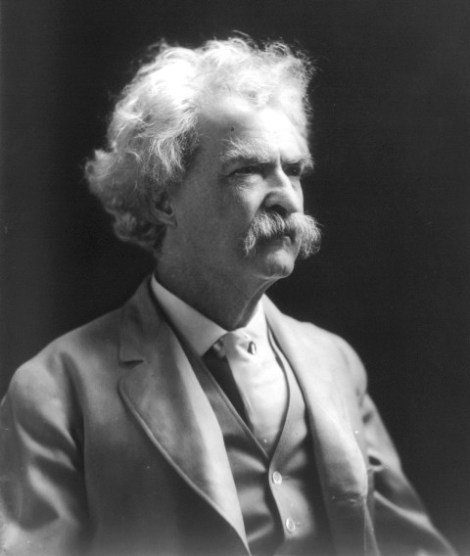
ImageMark Twain, commonly dubbed a humor writer, actually turned darkly pessimistic in his later years after losing his daughter.

You remember that highly anthologized story “The Yellow Wallpaper” with the unreliable (read: crazy) narrator? The author, Charlotte Perkins Gilman ended up killing herself, as did the popular Virginia Woolf.

Alcoholism ran in William Faulkner’s family, and Eugene O’Neil’s mother was addicted to morphine (this is depicted in his play Long Day’s Journey into Night).

T.S. Eliot had a nervous breakdown, and Ezra Pound died in an insane asylum.

From my American Literature class, I can remember a slew of writers whose fathers died in their youth or abandoned them, including Mark Twain, Stephen Crane, and Tennessee Williams.

And Sylvia. Poor Sylvia lost her father before the tender age of ten. She obviously never recovered, but for a period of years she was able to cover her pain with a slew of academic and literary achievements.

I see a lot of myself in Sylvia. Correction. A lot of my old self.

Poor Sylvia never found light. I did. I recovered a will to live as well as developed a prayer life. I decided my still forthcoming memoirs would not be all doom and gloom and “poor me, pity me,” but rather, “Look what God can bring forth from doom and gloom” and “Learn from me.”

And yet…

And yet…

I just had a conversation with a good friend in which I confessed: “I still find myself wanting to write mainly melancholy—I have to work to write positively. I worry that this blog gets too dark sometimes.”

She reassured me that, although, yes, I get a bit dark sometimes, there’s always hope inherent. “It’s a good mix,” she says. “And maybe it will help someone going through similar things.”

Can I make a spiritual/biblical application here?

My Characteristic Glimmer of Hope

In the past year, I’ve started marking metaphors I find in my Bible. I have a dream of teaching a college literature class that explores the figurative language in the Bible—it is so rich!

One of the recurring metaphors I find is that of light and dark.

This is so meaningful to me because of the darkness I’ve felt in my life—and more so just in me. The Bible tells me that Jesus came to shed light on my darkness. He is the Light of life. But the world did not recognize Him because they loved darkness (See Luke 1:78-79; John 1:3-5, 10; 8:12; 1 John 1:5).

I love the image of my Lord and Savior shining light on me—illuminating my narrow and closed mind, drawing me out of the night’s blackness into the morning light, warming my frigid insides.

Oh, He knows me so well! He knew what I would need—His light! Oh, Lord, more of your light!

But these remaining shadows! What of these mixed blog posts of light and dark? It’s like a struggle is going on in my soul.

The sobering reality is: There is a struggle going on in my soul. The enemy is clearly still fighting for me—he wants me back, that jerk. But I have no intention of going back.

And yet…those shadows.

Sometimes I wonder if going back on depression meds could help brighten my discouragingly-default-like pessimism. And then I remember that over six years, they never helped me as much as inviting Jesus into my heart. And I go back to my Bible to read that no pill could change the real problem (my fallen human nature), not unless it were God-sent manna-Prozac.

So—here’s my real gem of hope for today—maybe my mixed blog posts are churning out of my insides in the way they do to serve as a reminder, to me, to you, that there is a battle going on every day in our souls—and it won’t be over until God comes. 

“Therefore, we do not lose heart. Though outwardly we are wasting away, yet inwardly we are being renewed day by day. For our light and momentary troubles are achieving for us an eternal glory that far outweighs them all. So we fix our eyes not on what is seen, but on what is unseen, since what is seen is temporary, but what is unseen is eternal” (2 Cor. 4:16-18).

Fable of a Freelance Writer

Image

Once upon a time (three months ago, to be exact), a freelance writer developed a blog, some book chapters, and a guilt complex.

You see, this writer started out herself to please—to fulfill a dream, put her heart at ease. No more would she hate herself for putting it off—no longer would her naysayers scoff. 

And so writing a schedule–for she must have a plan–finally, she began:

January

Wake up at 6, breakfast, goodbye.

Then meet with the Lord, at 7 or so.

Eight was for exercise, don’t get flabby!

 Then 9 was for work—let the writing begin!

The plan was to write until 4 or more—

Her memoirs, her art, her triumphant score.

But alas, as soon as she began,

She got the email from the man

Who wanted revisions on his manuscript…

So she said, “Okay, I’ll look at it.”

Then April came…

She’d made no progress

On her own goals…but I digress.


April

As the writer looked back on the past three months, she realized she had not stuck to her guns. Besides some blogs and some personal slime, she had nothing to show for her time. Something had happened, but she was not sure what—had she just wasted time, sitting on her duff?

As she searched the memories of her mind, she discovered it was not that she hadn’t tried—it’s just that some stuff had come up inside.

The joy of Jan was followed by blues…somewhere in Feb, kids came up, too. Then, in March, she thought back to home, a topic deserving a fully-fledged tome. So maybe her story isn’t written yet, but perhaps just now its reaching denouement.

What has she learned, this freelancer babe? In three months of blogging, and burbling, and talk? Maybe she just needs to lay off the clock.

  • Sleep in sometimes, and let the mind rest.
  • Talk to a friend, get things off of her chest.
  • Relax, and take the stick out the rear.
  • Go for a run, the fog will clear.
  • Relax, be a wife, and a friend, and a person.
  • Those bad writing days? Well, you win some, you lose some.

As she thought on these lessons she’d learned over time, she decided her life was really quite fine. The dream was not lost, merely delayed—and even if slow going, it still with her stayed. Maybe, she thought, I’ve been under delusion—thinking my story needs a conclusion. Maybe, in fact, I’ve been all wrong—and I’ve been living the dream all along.


On Teenage Suicide

Image

I was sitting in Mcdonald’s typing up one of my typically self-centered posts when the news hit: “Rehtaeh Parsons, a 17-year-old high school student…[and that victim of gang rape a year and a half ago], was taken off life support on Sunday, three days after she tried to hang herself.”

I tried to go through with my post, my selfish, solipsistic post about the insecurities of this past teenage girl (myself), but I just couldn’t. Not without acknowledging the tragedy.

Suddenly, my “Confessions of a 28-Year-Old Pimple-Face” couldn’t hold a candle to what I was imagining this poor girl had gone through: being gang-raped, then “blamed, shunned, and harassed by everyone,” to the point of death.

What were my puny pimples, compared to this?

And yet, once upon a teenage time, I, too, tried to commit suicide.

Though it seems almost vulgar to compare my story to hers, I’d like to…if only to throw into relief how little it takes for a girl to doubt her worth, to doubt her life, to consider ending it. And so, despite myself, I give you [a modified version of]…

Confessions of a 28-Year-Old Pimple-Face

No matter how much older and wiser I get, it seems I can’t quite move past certain childhood insecurities. These days especially, the fact that I’m a twenty-eight-year-old with recurring acne much disheartens me.

Thankfully, I don’t go through life with this “ugly complex” always on my mind—not like I used to. But as a teenager, I remember living with perpetual horror at the thought that I was un-pretty, and unworthy.

I remember it really starting at age fourteen. Somehow I got the idea that my stomach was just gross—incidentally, that was right around the time I had to start undressing in public. You know what I’m talking about. It’s that age-old trope about the locker room.

Kids historically have feigned all manner of sickness, inventing a bevy of excuses, to escape that locker room reckoning.

But I never wasted my excuses on a mere class period. I saved those for entire days when the insecurity, or the depression got too bad. Plus, I was in sports all school year, so I had to get used to it. I mean, I got used to dressing in the locker room with the other girls. But I never got used to how bad it made me feel about myself.

That year, as a fourteen-year-old eighth grader, I had my mom order a book for me, Karen Amen’s The Crunch. And every night I would close my bedroom door, don a sports bra sans shirt, and do those crunches—in hopes, I guess, of watching my stomach shrink before my very eyes. I even kept a log to track my progress. But I remember being very guarded about it.

No one but my mom knew that I had embarked on this program toward self-improvement. I didn’t let my dad or brother see me doing it, didn’t tell my friends. Only let my mom come into my room sometimes and see me in the sports bra, as I pointed in disgust at my stomach and lamented how freakish I was in comparison to other girls. I remember mom looking at me with sad eyes, just listening. Soon after, Mom left us. And I started taking antidepressants. (But I’m greatly compressing, of course.)

The thing is, adolescence is confusing enough without having to undress in front of others. Without having to contend with a parent’s abandonment. Or without having a boy shame you (much less four). All these things, which partly account for my first suicide attempt, are terrifying to a teen.

But having to go through what Rehtaeh did? Having my pain and my shame and my body and my insecurity swirled onto the World Wide Web for all to see? Unthinkable.

The Mirage of Hollywood

I can’t say for certain that the teenage years are worse for girls than for boys, but I feel I could make a strong case for the former. What do I know, though?

I do know there’s this extreme cultural pressure imposed on girls to be pretty, sexy, skinny. And while being all of this, girls are also supposed to be chaste—to be better sexually behaved than boys. And even though I’ve gained considerable perspective on all the media’s BS about what constitutes true beauty for a woman—and even though I don’t base my self-worth on my looks or my bra size like I used to—sometimes I still get taken in. Sometimes, when surrounded by bikini clad beauties whose clear skin and shapely bodies I will never rival, sometimes, for a little while, I feel like I hate my body, hate my face, hate  myself.

Even well past adolescence, I don’t need anyone else’s voice but my own to tell me I am unworthy, I am ugly, I am disgusting.

Rehtaeh, although a victim of gang rape, was called a whore by her classmates, by her friends, (by the media?).

Fortunately for me, because I have twelve years on Rehtaeh, and the benefit of no viral pictures or videos to condemn me, I can take a step back and re-see the whole picture. I can remember that this isn’t reality—this is a mirage of advertising and Hollywood and Satanic lies about what I have to do and how I have to look and how I have to be—to be worth anything. And as I make this reflective, redeeming remove, I can see clearly again.

But Rehtaeh never will.

A Devilish Game

Ladies, why are we continuously taken in?

Why do some girls get up at the crack of dawn to make themselves up? (One of my high school students proudly flaunted this fact.)

Why do others spend every spare moment in front of the mirror? (This describes many other students I had.)

Why do yet others become bulimic, depressed, and suicidal? (Yep, that was me.)

And why do innocent girls like Rehtaeh so easily become martyrs to rapists, to the media, to the devil?

We may not think we are playing the devil’s game, but all of us—whether we find ourselves fretting over pimples or starring in child porn—are.

It can’t be God’s will for women to worry and strive, to be attacked with lies, and to never feel pretty enough, never feel good enough.

It might be different if we felt it were a matter of choice not to go to all the trouble, not to spend an hour on the makeup, not to log our ridiculous repertoire of crunches, not to go along with any old man or boy, just because he’s offered—or if we just elected to do these things once in awhile. But I know ladies who won’t leave home without an hour’s prepping. I know women who can’t escape abusive relationships no matter what they say. And I know of a teen girl who will never, ever be able to get back her life—because the rumors, the bullying, the façade that life was over, was just too real.

Nearing the age of thirty, it’s funny to me that I’ve overcome, or am near overcoming, so many childhood demons—depression, fear of having children—but what still gets me on a regular basis is that little-girl insecurity about my looks, whether my adult acne; my below average bra size; my frizzy hair; or my thunder thighs.

After today’s news, these insecurities seemed almost too mundane to mention. But they’re not, of course, because they are outward fruits of the same hidden roots, lies, that so many women and teenage girls struggle with. And though it’s not the worst root some of us will contend with, I don’t want to leave it unchecked so that it continues to degrade us, to degrade me—and younger versions of me—forever. It has done destruction enough.

Rest in peace, Rehtaeh.

Going Home

Image

My dad called last night to check on me. He’d been reading my posts from last week and wanted to make sure I was “okay.” Also to confirm travel plans for this week when I will go see him.

“So you’re feeling depressed? Are you feeling better?”

Since another family member has long been diagnosed as bipolar, I think Dad is extra sensitive to signs of mental illness. It’s understandable. And though I didn’t appreciate these inquiries when I was sixteen, today I think they’re sweet. He and my mom are the only ones who really ask about my mental health anymore, since I’ve been off medication for about eight years.

Thankfully I am able to answer, as I did last night, “I’m feeling much better, thank you. It was just a bit of the blues, and some female hormones getting the best of me.”

Thank God, I do feel better.

But that’s the thing these days. Even when something painful triggers bad feelings, I know they’re just passing feelings. None of that abysmal stuff of the past.

Like with visits home.

Used to be these visits triggered deep depths of anger and sadness.

Because of the divorce, I always miss half of my visit time with each parent and my little brother. The ‘rents live hours apart (and both are far from the airport), so though I buy a plane ticket for a week, I only get to see each for about half that time.

Needless to say, visits are complicated.

For years, when I was about to make a visit, I would typically spend the days leading up to it grumbling about the inconvenience. Anger bubbling up again at the awkwardness left over from divorce. Sadness that the awkwardness would never go away.

And, oh, I can get pretty low rubbing my nose in the past—and I have. Sometimes, in the past, returning from a visit was even worse, as I got to thinking about how a few days were not enough—and how long it would be until the next visit (usually six months to a year).

Maybe some of these thoughts were unconsciously playing in my head last week as I felt the illusion of the abyss, though I didn’t acknowledge them.

But over the weekend, something happened to remind me: my life is not that bad.

After church, I found myself talking to a new couple from Romania, the first real conversation I’d had with them since they’ve started visiting our church.

The woman is pregnant, and due this very week, in fact. Because I knew they were from far away—and I am sensitive to being far from home—I got to wondering: Does this lady have any friends or family nearby to help with the baby?

So I asked her.

After describing how miserable the pregnancy had been in the beginning—constant vomiting, dangerous weight loss, and inability to eat or sleep—she told me she’d lost both parents at a young age. Now she has only one or two family members left…and they are still in Romania. In the states, her husband is really all she has. Still new to this area, she doesn’t even have a church family yet.

“That must be hard,” I said, over the lump growing in my throat.

“Oh, it’s not so bad,” she said, eyes bright, face brave. “We’re always seeing and hearing interesting things; we get to meet a lot of interesting people.”

She proceeded to tell me about the groups of people they’ve met at various churches they’ve attended over the years, moving from state to state for her husband’s job.

Through it all, she kept a smile on her face.

Does she really mean it? I wondered. If I were her, all alone and pregnant in a new state without so much as a church family to call my own, I think I’d be depressed. Perhaps she really is. But she carries on, as we all must.

Readers, I have to apologize. I want this blog to be positive and godly and uplifting. But sometimes I find myself hovering a little closer to melancholy than I want to.

Though it’s not an excuse, my parents tell me I was a melancholy child. My husband agrees that my personality still drifts that direction.

I want to show you how far I’ve come from depression and sadness, but sometimes, with a personality that tends toward the negative, it’s hard. And I’m not going to lie.

So I write about sad feelings hoping you realize I’m just being honest—to show that, though one’s life might, overall, be “re-set” from broken and despairing to hopeful and healing—that doesn’t mean all sadness leaves.

It just doesn’t stay like it used to.

But knowing, recognizing, and acknowledging when bad roots are stirred up allows me to take them to God once again. Allows me to open my heart, once again, and say:

“God, it hurts. And I don’t ask you to fix everything just today (because I know you will in the future). But for today, here’s my heart. Thank you that Jesus died for my broken heart. Thank you that His heart and Your heart were broken as He carried all my hurt and pain to death on the cross, as He suffered and died for me, and rose again in victory over the death and decay of our mortal bodies and wounded hearts, so I could claim my inheritance as Your daughter.”

Though I have to pray this way daily, He delivers daily. Fresh batches of grace every time I need them. And I’m sure I’ll need them again, soon.

This week I’ll get to my dad’s and have a jolly good time laughing and talking over Scrabble and coffee—and at Mom’s I’ll enjoy the home-cooked meals and those mother-daughter conversations I can’t have with anyone else. It’ll be a good time, and infinitely more fulfilling than past visits, when walking over the old family threshold used to bring tears.

I’ll probably battle some more resentment when I have to part from Dad on day three—then I’ll face it again as I wave goodbye to Mom and little bro at the airport on day seven.

But I will recover quickly, as I remember that it won’t be too long until I go home for good—my real home—where there will be no more tears, no more regret, no more long car rides, limited visitations, or broken families. This is the hope that heals—and brightens bad days.

Image

Then I saw a new heaven and a new earth, for the old heaven and the old earth had disappeared. And the sea was also gone. And I saw the holy city, the new Jerusalem, coming down from God out of heaven like a bride beautifully dressed for her husband.

I heard a loud shout from the throne, saying, “Look, God’s home is now among his people! He will live with them, and they will be his people. God himself will be with them. He will wipe every tear from their eyes, and there will be no more death or sorrow or crying or pain. All these things are gone forever.” (Rev. 21:1-4, NLT)

The Lonely Vegetarian

Image
So apparently in India, you can get a Mcveggie burger. We vegetarians in the states are still waiting.

Oddly enough, today again I find myself sitting in Mcdonalds, writing. Why would a vegetarian go to Mcdonalds, you ask?

Over the past few months of being homebound, I have discovered that Mcdonalds is actually a nice place to come and write. That’s true, of course, except when you sit down in an empty play area only to have it fill up with screaming kids (which happened to me a few weeks ago.)

ImageBut seriously. At Mcdonald’s, coffee is just a buck, and you get free refills.

And this was a pleasant surprise: Mcdonalds has renovated to make itself more modern and coffee-shop like. A poor man’s Starbucks, really.

Right now, in fact, I’m sitting on a cushy couch-like thing in front of a fake fireplace, with a flat-screen TV just to my upper left. It’s 10:18 a.m., with few people here except for some good-natured seniors in the corner over my right shoulder, smiling over their senior-sized coffees and chatting. (Once I interrupted a high-spirited Bingo game in the Playroom on a Friday. Kindly, the Bingo players let me sit quietly in the corner and blog.)Image

There are four Mcdonalds relatively close to where I live, so I have rotated among them, trying not to look like that loser who has nothing better to do than go sit solo in the same place day after day. So far I think I’ve remained relatively anonymous. I mean, I don’t go every day. Just when the house feels too empty.

Well, actually, that’s kind of the point. Why would a vegetarian go sit at Mcdonalds, you ask? And why am I drinking coffee, anyway? Health conscious Christian that I am, I’ve tried to quit several times. I was successful for a few weeks in 2010 when I had my heart conversion and found myself cutting out lots of old, icky stuff from my life.

But for the most part, I’ve been a steady drinker for almost ten years, ever since I dropped out of college and entered the most lonely phase of my life.

This is kind of embarrassing to admit, because in my particular church, caffeine use is seen as a bad thing. We focus lots on good physical health. That’s why I’m a vegetarian, in fact. And good physical health is a lovely thing.

But what happens when your bad physical habits are a result of bad mental health? Bad emotional health?

As I’ve learned in the past year, all bad behaviors stem from negative beliefs we have developed. Our negative patterns are reactions to negative thoughts and feelings implanted by Satan, the father of lies (see John 8:44), such as I’m alone, I have to protect myself, or I deserve to reward myself.

This is one of two “pillars” in The Hidden Half of the Gospel, the book I’m co-writing with Paul Coneff of Straight 2 the Heart ministries.

Image
This is the gist of what our book cover will look like. Currently, we are in round two of a three-round editing process. Thanks to Paul for letting me use this image.

And for me, it’s not just some high falutin’ theory. Nope. It’s what my own introspection keeps confirming. Day after day. Mcdonalds visit after Mcdonalds visit.

So I order my Egg McMuffin without meat. So I’m a healthy weight and I exercise pretty regularly.

So what?

I’m still here today—the lonely vegetarian—sipping joe with seniors. (Is that sad?)

At least I’m not sipping deadly medicinal cocktails.

“You’ve come a long way, baby.”

Is that God’s voice I hear?

Well, maybe someone else said that.

Anyway, I think God understands that recovery is slow. And egg McMuffins are good. Not vegan, but I think He understands: heart health is more than meat or drink.

“We’ll keep working on it,” He says.

And for that, I’m lovin’ ‘im.

The Illusion of the Abyss

Image

This week has been a tough one so far. I don’t like to admit it, but I’ve battled some depression—at least, some depressive feelings. (But don’t mistake me—these are nothing like the suicidal thoughts of yesteryear). I finished my part on round two of my co-writing book project, handed it back to my co-writer, and then sank into a bit of an abyss that looks kinda like so:

The Rough Morning

Scene: Morning comes, time for hubby to wake up. It’s 6 a.m. and dark.

Crap. [my thoughts—bad angel]

“I should get up and make him breakfast.” [my other thoughts—good angel]

But why? He gobbles it down in five minutes, then leaves. [bad angel again]

“But when we decided on this arrangement, it was understood: This was part of my job.” [good angel—you get the point]

Exposition: Then I feel guilt because I’ve been sleeping in more and more lately. [Not sure which angel.]

What is there to get up for? I have ten hours of aloneness stretching in front of me. And I can’t even stand to write for more than five.

“I could clean the house.”

Who even cares anymore? We stopped our Bible study at our house a couple months back. And it doesn’t make a difference to hubby. All he needs is a clear spot on the couch, where he will come home to sit all evening barely talking to me anyway… [definitely bad angel—I understand that my hubby is just tired at the end of the day; I would be, too.]

…And my family is all 1,000 miles or more out of reach. Can’t go visit mom or dad down the street. Can’t see little bro, and big bro is halfway around the world in a mission field. [stupid bad angel won’t shut up]

So why get up?

(I’d like to thank my blogging friend, Harper Faulkner, for inspiring this bit of internal dialogue, although it’s not what I had in mind when I told him I’d try to be more humorous in my posts, like he is. Oh well. Baby steps.)

Starting the Day

At 7 a.m., or 7:30, or 8, or 8:30, the day is brighter, and I can finally stand to face it. So I hoist myself out of bed, trying to brush away the cobwebs in my brain.

I debate how to start the day.

I will pray. I always pray. But maybe I will try to exercise first, because I’m still not thinking too clearly. Maybe exercise will clear out some of the cobwebs.

So I pop in P90X and accomplish thirty minutes of a sixty-minute-long DVD—I didn’t know when I selected it that Plyo-X was the “mother” of all P90X videos—before exclaiming, “You’ve got to be kidding me!”

There’s no way I can do another set of these squats.

Click.

Fast forward through a shower and breakfast.

Now it’s 9:30 or 10. I sit down at my dining room table-slash-workspace, and try to pray.

The Prayer Session

“Lord, I’ll just be honest. I don’t wanna face this day. I know you are big and great and all powerful. I know that you offer me “glorious, unlimited resources” [says the New Living Translation of Ephesians]. I just don’t feel them right now. I feel depressed, and I think I shouldn’t, because you have been so good to me this past year. And I am so thankful I’m able to write instead of teach bratty high school kids this year (oh, am I thankful!).

But I’m so lonely.

And I don’t know why, if I’m so blessed, I’m having these feelings.

Lord, do you have anything to say to me?”

Image

Asking God actual questions that I expect Him to answer is a new thing for me. It’s all due to Paul Coneff and Straight 2 the Heart, or the prayer ministry I have been working with since last July, both learning to pray for myself and with others, and helping to write The Hidden Half of the Gospel with Paul.

Silence.

“Lord, what’s up? I’d like to hear from you right now, because I feel a bit lost. It’s like I’m starting over again.”

I mean lost in my career at the moment. I recognize this feeling from January, right after I finished my master’s degree and before starting this blog. Around that time, I applied to an MFA and a PhD program, and currently [in March] I am still waiting to hear from both. I canceled my birth control in January, too, and am still waiting to see if we’re fertile. I’m almost done helping Paul with his book, and am now waiting to see if he wants to really make me part of his ministry (which I love), or if I’m just to be on call when he has a writing project. I also have this “Before Thirty Project”—my memoir—roughly handwritten in about three notebooks, but the task of polishing and marketing it seems too huge when my life could take a drastic turn any day. And then I have this blog, which I can easily pour all my time into, but I don’t feel that would be very wise.

Notice my mind—see how it races! It does this a lot. I get to thinking about things so frenetically that I can hardly choose one single activity to start my “work” day. Like on a day like today.

“Lord, I don’t even know where to start. What to work on? Can you help me? What should I even blog about? I can’t even decide that.

Since learning to pray dialogically (yep, that’s another grad school word [meaning two-way]), usually I do hear from God. Usually the answers materialize almost as soon as I formulate the question, or I get an impression.

Now, I don’t hear words, but I feel my eyes gliding to rest on my prayer journal.

It occurs to me (and let’s not discount Who is making it occur) that I have been trying so hard to make something happen today, to reinvent the wheel, to even figure out what to pray for—and I’m probably repeating myself. I’ve forgotten something.

Maybe all I need to do is look again at what God’s already told me. (This is the benefit of keeping a prayer journal).

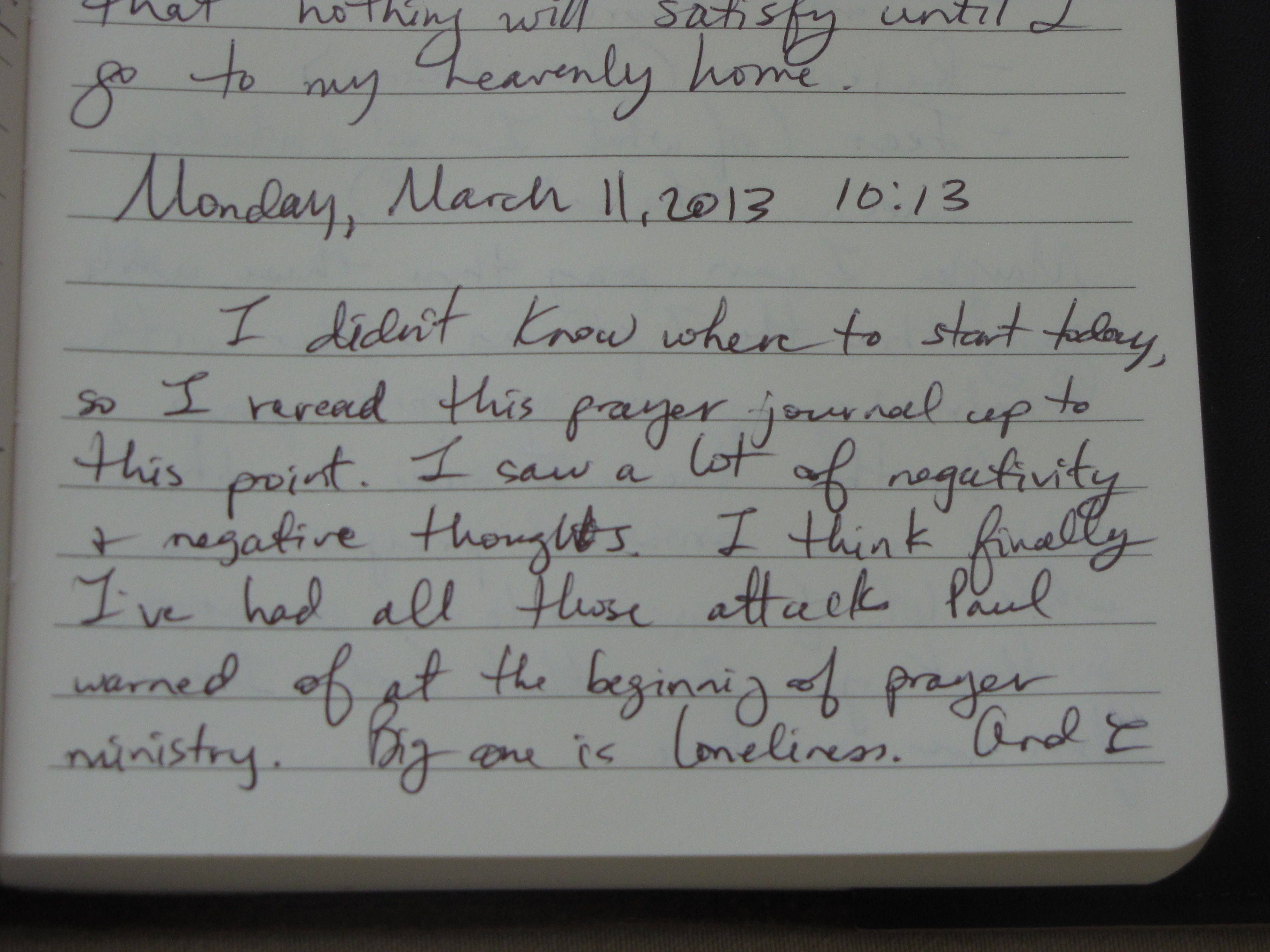
So I open it up and read what I’ve written for the past three months.

Image

Lessons from Prayers Past

Surprise, surprise. I’ve already prayed about all this stuff and more. Common themes in my prayers since January:

  • Loneliness, the sense of loneliness from being alone in this big house all day.
  • Anger that I’m alone. [This usually comes around Christmastime, where I see it in my journal now, and I know it was exacerbated this year because I didn’t get to see my family for the holidays, and I haven’t seen them now since last June.]
  • A sense of being Overwhelmed. [I ended last year at a sprint, having gotten super-involved in ministry for the past year, including this prayer ministry I love, and starting a church choir, and running an in-home Bible study with my husband.]
  • Resentment that I was doing so much for others and yet feeling so little being done for me. My blog readers have a better idea of my feelings than most of my friends, because I hide them (my feelings, I mean).

Image

As I reread these woes, I feel discouraged at first. Gosh darn, and I thought I’d done so much growing over the past year with Straight 2 the Heart!

But as I read, I also see another pattern emerging. For each whiny problem, God’s booming voice answers. I’m alone, angry, overwhelmed, and resentful, but through it all, represented in my messy scrawl, is God’s much bigger voice—His promises, His care.

And to that end, I see something else in these journal entries.

I couldn’t see them while going through the past few months, but now that I look back, I read the following string of answered prayers:

  • For my stress in ministry, God has brought more people to help, such as a new friend at church who has taken the choir idea and run with it. He has also taken away the burden of our Bible study by moving it to a young adult class at our church, which our church desperately needed!
  • For my loneliness, God has added some people to my life, like a niece who comes over sometimes to get tutoring during the week; a Groupon-shopping friend who invites me for spa days periodically; and this blog, where I am meeting more like-minded people all the time.
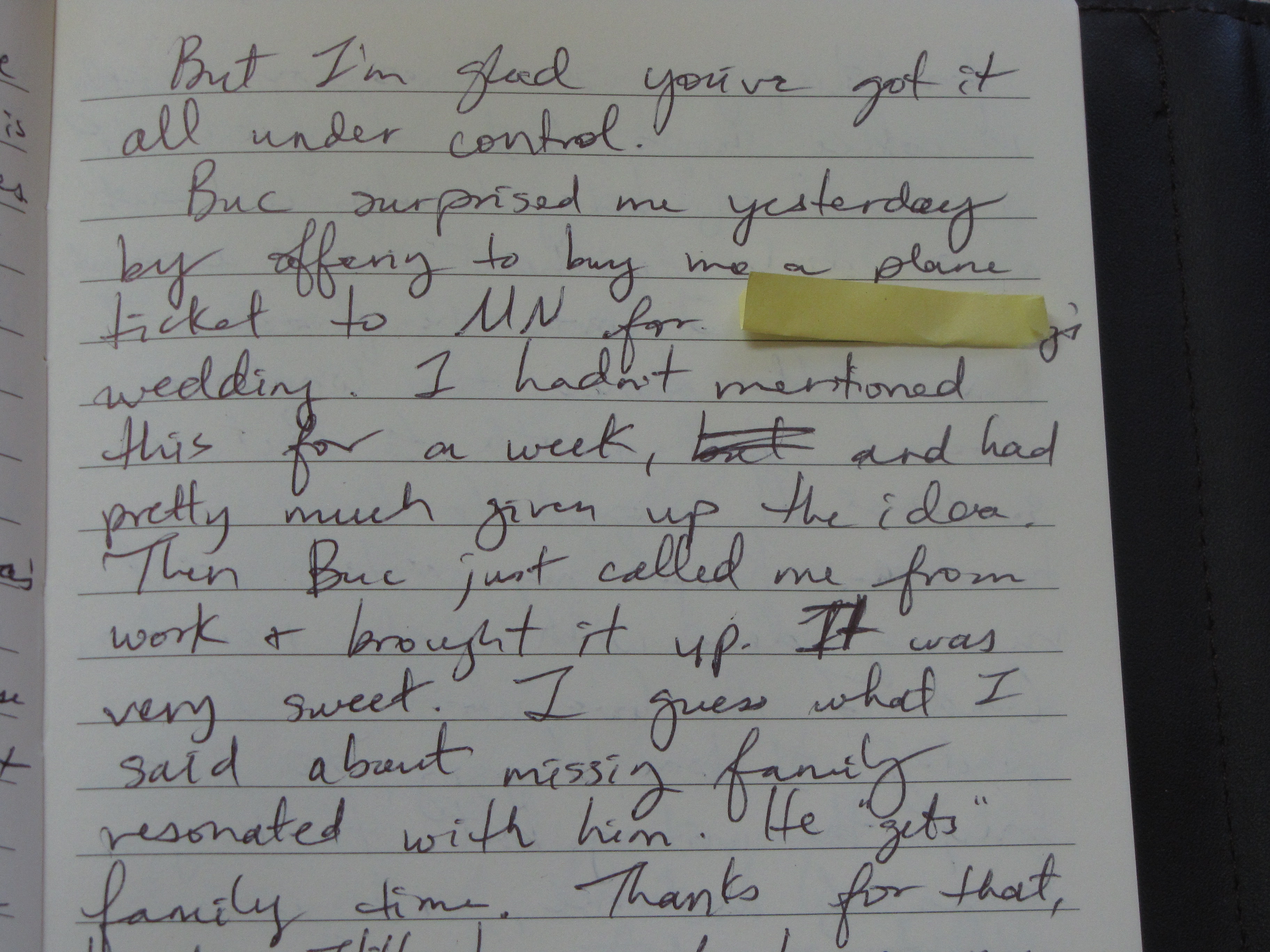
  • For my loss of family time, God moved my hubby just a week ago to decide (on his own) to buy me a plane ticket so I can take part in a cousin’s wedding in Minnesota next week. Oh, thank you, Lord—how I have missed family!

Image

As I look at all these blessings, I am again overwhelmed, but now in a good way.

“Wow God. Thanks. I know you’re here. And you’ve been here. I just can’t really hear you very well right now, for whatever reason.”

And now I remember something else that Paul told my prayer group and me when we began our training last July:

“When you really start giving your life to God and praying for victory, expect Satan’s attacks to increase. Now that he sees you’re going with God, he will try to stop you any way he can.”

Huh. Actually, for the first few months of prayer ministry, I felt great. Wondered where Satan was. Thought I was getting off easy when all my group mates reported greater attacks from the enemy.

Oh, but he is a master deceiver. And maybe he was just waiting…waiting…to throw me off his trail. So that I wouldn’t recognize his attacks for what they were when they finally came.

Well, they’ve arrived. And each morning this week I’ve had to fend them off on my knees. And I’m still not hearing God like I want to. But I also remember that lots of God’s people went through wilderness experiences. And it didn’t mean God wasn’t there (remember the poem “Footprints”?).

I know he’s here. Though it may take me a little extra time to get out of bed these days, I won’t give up praying. I will hold on—knowing God and I will ride out this storm together—knowing this abyss is just one of Satan’s many illusions—and it, too, shall pass.

This week I will also remember that God has a plan, and that I don’t have to have all the particulars right now. When I look back in a few months or years, hindsight will be clear enough.

Image

Celebrating 8 Years: Roots of a Love Story

Image

“Do you want to talk again, maybe tomorrow?” he asked from his bachelor pad in balmy Texas.

“Sure, if neither one of us dies before then,” I responded through huffs and puffs of cold Minnesota air.

I was walking briskly up College Street, autumn leaves crunching underfoot.

He thought it strange the way I ended that third phone call. But you have to understand it had been no more than six months since the previous winter when I’d found myself sitting in that mental ward.

I was making a slow recovery from depression, trying my luck at a few random classes in community college after having dropped out of a pricey private institution.

With a BBA, he was in his second year of a new job in the finance industry.

We were both living single and lonely in small apartments. Both dejected from recent life failures, we had recently both shut ourselves away from family and friends.

Apparently he found something intriguing in my dark humor and brooding ways. As well, he’d liked the pictures my bff, and our matchmaker, Samantha, had shown him. It was before the days of Facebook, so I would wait until our first live meeting about a month later to see him. No matter. His voice, smooth and soothing, already gave me goosebumps.

“What are you doing tonight?” he would start our phone conversations, which quickly became daily affairs, usually no less than four hours at a pop.

I couldn’t believe how attentive he was. He actually wanted me to read my journals out loud to him, which I did.

“I’m taking a walk/organizing my closet/doing dishes [pick one—these were all true over the months of phone dating…and all due to that nervous, post-depression energy I suffered in those days]. What are you up to?”

“I’m just lying here, thinking about you.”

Each night on his primitive, 2004-model cell phone, he gave me his full attention, something I was not used to with males. The previous two men in my life I had met at my workplace, a restaurant, and the relationships had always been about what I could do for them. The boy I had loved in high school (a much nicer guy than these two) ended up having precious little time for me after going gay.

I wish I could say that I unreservedly returned Buc’s affection in the beginning. But every true love story must have a complication, mustn’t it?

Sigh. After dropping out of college, I’d struck up a conversation with my most recent ex (he’d since been fired from his dishwashing job at the restaurant). This happened a couple months before I met Buc.

The first contact I’d had in about six months with this dude (who shall remain nameless) started with him telling me he’d love to get together—but I’d have to go to him, because he was under house arrest at the moment.

Instead of running the other way like I should have, guess what I did?

Yep.

I got physically and emotionally involved. Again. Apparently I was attracted to his brooding ways. I identified with his suicidal tendencies, and as lonely as I was, well, any guy was better than none.

Lord forgive me. And Buc forgive me too. How stupid I was.

It should have been an easy choice. Let me put it this way:

  • One had three kids, the other had none.
  • One was unemployed, the other a successful broker.
  • One had a criminal record, and the other? Nary a traffic ticket.
  • One had a history of drug and alcohol use, the other, a history of jalapeno abuse.
  • One was a broken deadbeat who needed me to rescue him, while the other was a broken believer who wanted to rescue me.

Gee. I wonder who I should choose?

You might say I could have chosen neither. I could have accepted the newspaper editor job I’d been offered–but that didn’t pay anything (college newspaper, you see), and I was already out of money—plus, that restaurant where I’d picked up the last two losers had just gone bankrupt.

No, as the months went on that fall of 2004, it became clear that God was propelling me to make a choice. A drastic choice. Doors were closing all around me, and I literally didn’t feel strong enough to go it alone. I knew somewhere in the back of my mind that God was with me—but sometimes we are so low (or so delusional) that we need God’s hands to reach out, take hold of us, and give us a good shake through the hands of another.

“Think about what you’re doing!” Buc would cry in frustration as I lamented to him that I loved both of them. “Why is it even a choice?”

One night he almost gave up on me. I had waffled again, saying I needed to take a break from both to sort myself out. Meanwhile, he prayed for a sign.

“God,” he prayed several days into this separation, “if she calls tonight, then I know you want us together. If she doesn’t, then we’re not meant to be.”

That night when I called, I don’t remember what I said. I know I was not totally convinced one way or the other, but God didn’t need me to be ready just yet.

Buc took this as his sign, and I’m so glad he did. After this, I waffled another time or two, but he didn’t give up on me. He trusted God, even though my utterly stupid behavior baffled and hurt him.

I think I owe our eight years of marriage to my husband’s faith, a faith I have seen again and again over the years when his job was uncertain, or I was uncertain, and he prayed for a sign, received his answer, and made up his mind not to worry because, as he simply and calmly explained, “It’s God’s plan.”

It’s a faith I’m still hoping to develop.

I saw it again just this week, as he faced a job-threatening audit at his branch. Yep, my hubby has become the manager at a top-notch financial branch, and earned plenty of top-performer awards and trips along the way. (Just for kicks, I googled my ex last year and saw his gnarled face and tattoos pop up in a mug shot for a domestic dispute. Gulp! To think I could have married that!)

“I could get fired,” Buc announced coming home a few days ago. “But if I do, I know it’s God’s plan.”

Since I’ve been staying home, I’ve told him many times I wish he could stay home with me. I get so lonely.

“Well, maybe getting fired would be a blessing—we could spend all day together,” I quipped.

Seems all this alone time is not good for the logic—it’s his awesome job that’s currently allowing me to “write to my roots.” But no matter how I’ve spent my time in the past few years, home or not, my desire to be by my hubby’s side continues to grow.

As I awaken to the beauty and possibility around me little by little (because rediscovering family, God, and dreams after deep depression happens gradually), I realize more and more what a jewel I have right beside me. What do I need a wedding ring for? He is my rock, always returning to me at the end of the day.

Today, our phone calls are shorter, because they only last as long as it takes for him to drive the thirty to forty minutes home. (By the way, he’s still employed at that job that is too far away for my liking. “God’s will,” Buc said.) Still, he calls me every day. Kisses me every morning. The calls are a little less exciting than they used to be, more often filled with dinner plans or daily headlines than deep confessions of past sins or heated professions of love. After eight years, there’s not much we don’t know about each other. But though the conversation may have leveled off, the love never has. To the contrary, it has only grown.

Over eight years, as he’s helped “nurse me back” to mental health; talked me down from countless emotional cliffs; and worked day after day to clothe me, feed me, and shelter me, I am starting to “get it.”

His love for me is like God’s love–hoping all things, bearing all things, believing all things. I only hope that I will learn to love other human beings as much someday. Ever since moving to Texas, I’ve had a slow thaw in my heart. But I hope he knows that right now he’s got all the love I’ve got—with these melting icicles creating more room for him every day.

Honey, I thank God that you chose me, and even more, that I chose you! (Oh, how thankful I am that I made the right choice!)

Image

(Blast from the past)

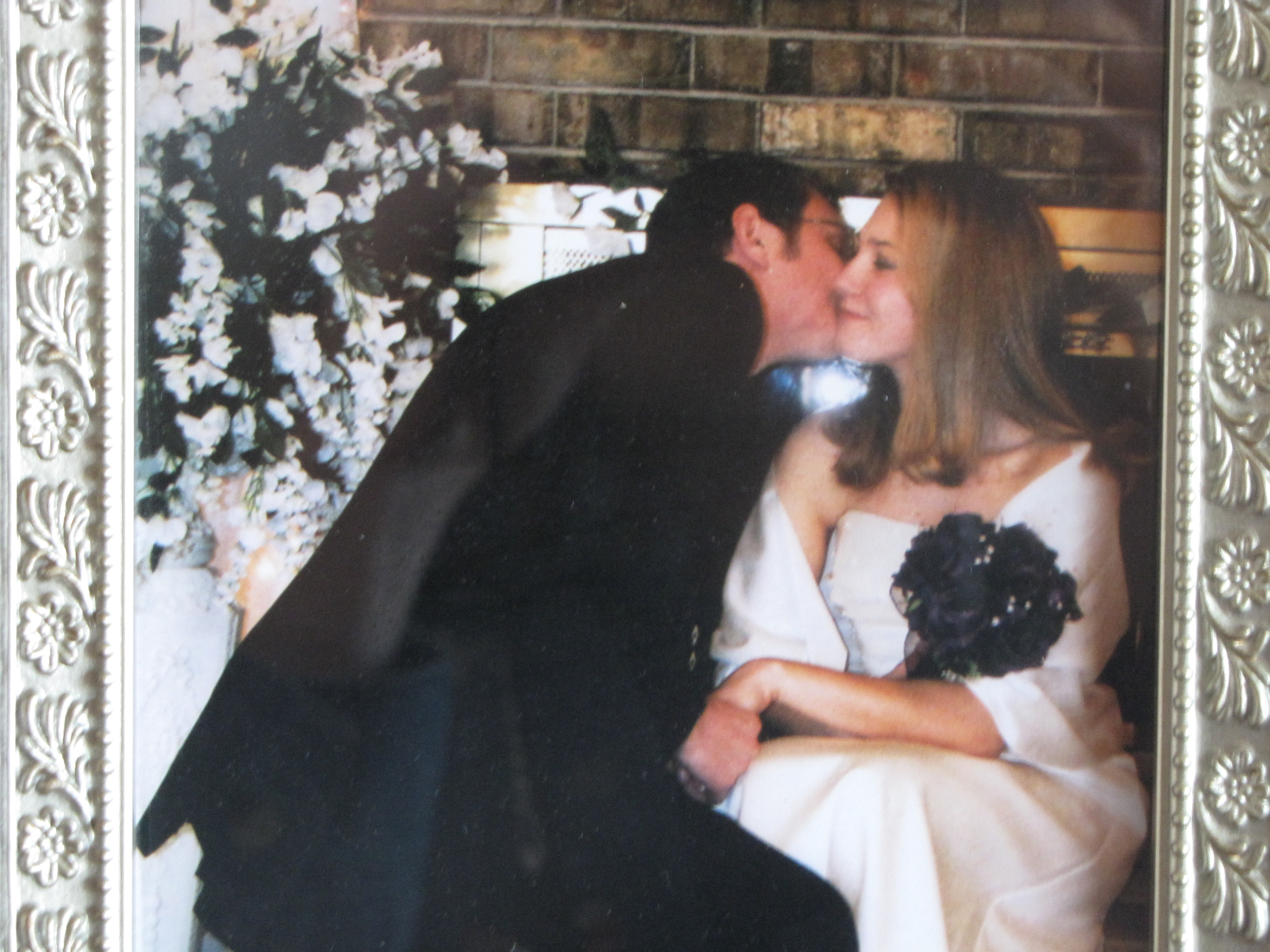
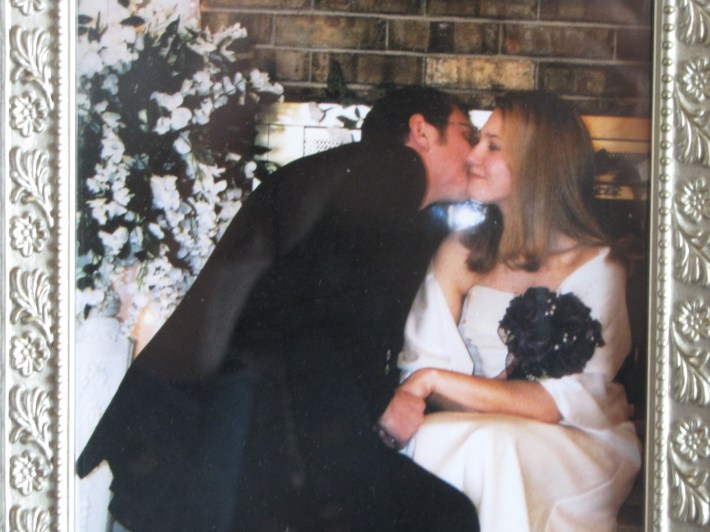
February 7, 2005, 8:14 a.m. (about a month before we got married)

When I imagine our life together I feel unspeakable joy. Especially today after setting our wedding date.

Last night—remember my tears of joy?—I felt, finally that I have something to hope for (on this earth), for you are my representation of Christ as the husband of humanity.

A place to belong, somewhere to fit—the knowledge that someone thinks I am special enough to invest in for a lifetime…darling, you don’t know what you have given me by asking me to share your life with you.

I am so blessed to have someone who loves and cares for me as a prized possession, yet at the same time respects me as a person. I can’t wait to be your family (even if it means making lunches and suppers and breakfasts sixty more years). To be with you every day will be a privilege and a joy. I hope you feel the same way.

buc and Lindsey

What Christians and Mental Patients Have in Common

I can never tell, I thought, sitting in a mental ward in Minnesota. I was nineteen.

When I get out I can’t tell friends that I dropped out of college. That I attempted suicide. I can’t tell them how messed up I am. I can’t let them see me like this.

When I got out after forty days, there was only one option (besides suicide, of course). I had to hide.

This year of my life, 2004 to be exact, is the darkest one I can remember. Almost a decade has passed, and there’s hardly anyone I’ve told.

After the mental ward, my social worker set me up in an efficiency apartment that was fully furnished, yet covered in grime. The walls were spotted with grease stains, the floors covered in dirt. Kind of like me.

Only, instead of dirt, I was filthy with lies—and they were rooted deep.

And unlike the dirt that disappeared after one afternoon’s scrubbing, it would take me many, many years to recover from the lies that had saturated my mind for so long.

I can never tell, I thought just today, before finally deciding that maybe someone besides me needed this post.

Image

It’s funny how those lies stay with us. You see, in 2013 my depression and suicidal tendencies are for the most part gone; but today I almost didn’t post this, for fear of looking “crazy” when friends or family read the opening lines.

The good news is, by this point in my twenty-eight years, I know I’m not alone. After repeatedly opening my heart to the Source that “lays bare our innermost thoughts” (Heb. 4:12-13) through prayer, and after training other women to do the same, I’m starting to feel less territorial about the pain I’ve guarded for so many years.

I can never tell. What about all the women and men who have been sexually abused? In The Hidden Half of the Gospel, the book I’m co-writing, we cite a “1 in 3” statistic about girls who have been sexually abused, which blows me away! (Since starting prayer ministry, I’ve also prayed with two women who have admitted to being sexually abused.)

I can never tell. What about the teenage boys and girls struggling with their sexuality—thinking they may be gay but afraid of rejection if they “come out”? I’m reading a memoir right now about a girl, stuck in a mental hospital for three years by her abusive, incompetent parents, who admitted to lying, stealing, cheating, and who lied about having a drug problem, plus an eating disorder, before she would ever admit she had gender confusion. (Still waiting to see how it ends, but the title, The Last Time I Wore a Dress, gives me a good idea.)

I can never tell. What about all the Christians struggling with pornography, drinking, or other “sins”? (In The Hidden Half, Paul and I share the stories of some such Christians.)

I can never tell. What’s the issue for you?

For me currently, this lie is complicating my various writing projects. Just as I did today, just as I did when I published my first magazine article about a suicide attempt . . .

I still sometimes battle that lie, I can never tell.

200px-ProzacNationBook

Maybe that’s why I like to read memoirs like Prozac Nation and other riveting romps through mental illness.

My husband thinks reading these kinds of things is unhealthy. Wonders if I am vicariously milking old, bad feelings through reading these books.

I used to wonder that, too. But these days, I don’t think so.

You see, more and more as I’ve dealt with my bad roots through prayer, I’m uncovering a holy rage about how humans (and Christians especially) cover up their bad roots. As if denying them is dealing with them. Who do we think we’re kidding? Certainly we’re not fooling God.

No, I like to read these memoirs not because they inspire my faith (I read the Bible and Stormie Omartian for that!), but because they inspire my honesty. I read them because they take me to a level of intimacy far below what I get with pretty much everyone else in my life.

Now for those Christians who may disagree with my “uninspiring” reading selections, that’s fine. But if you’re going to knock them, then at least tell me where else I can find such honesty. Sadly, I don’t find it in church, or from my family members, or even from most friends.

But as for me and my writing, we will be honest.

Not because I think we all need to be sharing and airing our garbage. If we did, just think what a stinky world it would be. But come to think of it, this world already stinks quite a bit…so maybe we don’t have much to lose. And if Christians would speak up more, maybe more people would join us, as they see that we’re not too out of touch to deal with the ugly realities that blot all human stories.

In any case, I’ve decided to be honest, in the name of not being fake…or distasteful to others because I can’t relate in any human way…or disgusting to myself because I’ve built my perceived flaws so big that I’ll never get over them. But the most important reason to be honest? Well, gosh darn, if so many people are writing the depressing stories, don’t we need someone to write the un-depressing ones? (This is the plan for the memoir I’m writing—to share how I got un-depressed.)

car

And so, to conclude my very abridged tale of woe (for today, anyway), at the end of that worst year of my life, I’m happy to tell you, God intervened, introducing me to my husband (in Texas of all places!) and moving me 1,000 miles from that dirty apartment and my broken past. He moved me away physically. Mentally, on the other hand, I had a long way to go! But that’s the subject of many more blogs.

So, though it’s sometimes hard for me to write, and might sometimes be hard for you to read (but I’m sure you can find lots of “fake” blogs to read, if this one makes you uncomfortable), I choose to tell. No matter how often Satan tries to tell me I can’t, with God’s help, I will ever tell.


I Can Think Clearly Now, the Depression is Gone

Last week I let a mess of dishes, food globs, and flour dust sit on my countertops; ditto dirty laundry on my floors. Perhaps the only productive thing I did over the last seven days was to start this blog—which I did from the confines of my bedroom while coughing, hacking, and otherwise fighting the fuzzy-headedess that comes with the flu.

You see, after cooking a lovely dinner for my husband Monday night, I came down with the bug—and until Thursday, I couldn’t even fathom standing up long enough to clean my dishes. Ditto the laundry in the living room. Some of it was even folded and ready to be put away, and yet, the effort would have cost too much.

Now that I’m feeling better, here’s what I’ve decided I think about the flu: it’s a lot like depression.

You see, with both, it’s a burden to wake up. With both, sometimes you feel like you can’t breathe. With both, your thoughts are cloudy and you can’t plan, because the future seems to hold nothing but pain. With both, your life seems downright inhospitable to you; and sometimes, like this week, even the weather will not smile on you.

Imagine feeling that way every day for months, even years. Given how hard it is to get out of bed when afflicted with the flu—a physical malady—now try to fathom making plans for your life, much less for one day, with depression—a mental illness. It’s virtually impossible.

Now why am I digging into all this junk that doesn’t describe my life anymore, not since I gave my life to God several years ago?

Only this: When I woke up this morning to discover I could breathe easy, wasn’t dizzy, and felt like doing something for the first time in a week, it reminded me of how blessed I am, in general, to no longer suffer mental illness. It also reminded me of how important it is to have something to live for. Because when I was sick, I didn’t feel like I did. It’s a bad memory, but that is the essence of depression: not having a reason to live.

However, for today, the flu has reminded me to give thanks. And so: Thanks, God, for not only saving my life, but also for making it meaningful.

In my next post I will talk more about how the meaning I’m currently deriving from life goes back to my roots—those good ones that my book project, and blogging, is helping me to rediscover.